

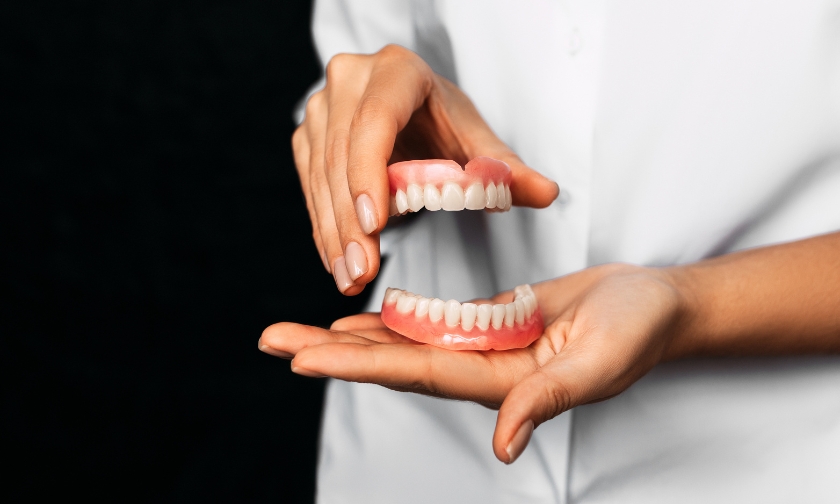
New dentures can completely alter one’s daily routine, particularly when it comes to eating. Many find this transition to be overwhelming as one is bombarded with feelings of discomfort, frustration, and uncertainty as to what foods to enjoy. Dr. Alex Clark is a qualified professional in denture care who truly understands these challenges and provides us with practical, easy-to-follow tips that help you eat comfortably.
This guide provides insight into how to make this process smoother and help you regain confidence to enjoy your meals with ease. Let’s dive into the essential steps for eating comfortably with new dentures.
Why Eating with New Dentures Can Be Challenging
Eating with new dentures is a bit of a learning curve for most patients. Initially, there is usually discomfort associated with pressure on the gums and teeth. Many people have difficulty with chewing and clearly pronouncing their words, particularly when consuming harder or more textured foods.
While anticipated, these problems are temporary and a normal part of the learning process. As time progresses, your dentures will start to feel like a natural part of you, and your ability to chew and speak will get better. This is a time for patience, after which comfort will set in.
Adjusting to Your New Dentures: Tips for the First Few Weeks
The first few weeks after receiving dentures in Prairie Village are all about gradual adaptation. Start with soft foods that require very little chewing, such as mashed potatoes, applesauce, or smoothies. Cutting food into small portions will make the chewing process easier and avoid putting extra strain on your dentures.
Over time, gradually add different textures to allow your mouth to adapt. With time and practice, you will be able to eat normally, but do remember that patience and consistency are key during the period when your mouth is getting used to its new fit.
Best Foods to Eat While Adjusting to Dentures
During the adaptation period to dentures, soft foods protect you from discomfort and help you chew properly. Examples of such foods are mashed potatoes, scrambled eggs, yogurt, and soups. This kind of food will not irritate your gums and will be easy to chew, thus giving you more confidence when eating.
On the other hand, you should avoid sticky or hard foods that may cause damage or dislodgment, such as chewy candies, raw vegetables, or nuts. Softer foods will give your gums time to heal and keep your dentures securely and comfortably in place.
How to Chew with Dentures: A Step-by-Step Guide
Learning to chew with dentures requires both comfort and efficiency. Chew slowly and carefully to avoid putting undue pressure on your dentures. Also, try using both sides of your mouth when chewing so that the pressure is distributed evenly throughout the mouth. This will help to prevent discomfort on one side of the mouth and will help balance your bite.
Try not to bite into hard foods with the front of your teeth, which may tip the denture or damage it. As you learn to chew more confidently with dentures, mealtime will become much easier.
Maintaining Comfort: Tips on Denture Care and Adjustments
Comfort and a decent life span of dentures in Prairie Village rely on proper care. Clean your dentures using a soft brush and denture cleaner every day to remove food particles and plaque from your dentures. Soaking them overnight keeps them moist and will help to avoid drying out.
Regular visits to Dr. Alex Clark for adjustments ensure that your dentures fit comfortably and function properly. If you should encounter irritation or discomfort, please do not hesitate to contact us to check your fitting or for further advice.
When to Consult Your Dentist
If you have chronic soreness, chewing difficulties, or your denture shifts around, you should visit Dr. Alex Clark. Some signs of ill-fitting dentures include sores, loose dentures, and problems eating certain types of food.
The sooner you visit your dentist, the less likely you are to develop future complications. This ensures that your dentures remain comfortable and fit well over time.
Eating comfortably with new dentures is a process that requires patience, practice, and proper care. With the right approach, the transition can be smooth, and soon you’ll feel more at ease with every meal.
Dr. Alex Clark’s guidance assures that one will be supported to adjust comfortably. If you’re having challenges or if you have questions, schedule a consultation to learn about how to make your denture experience positive.