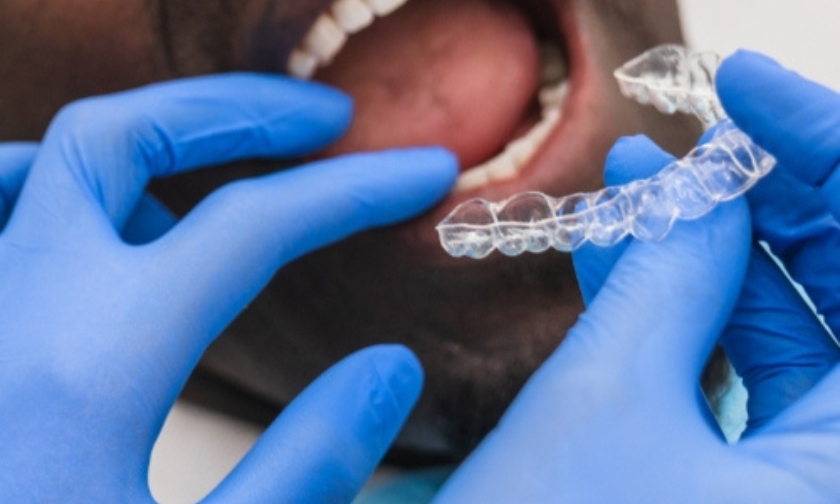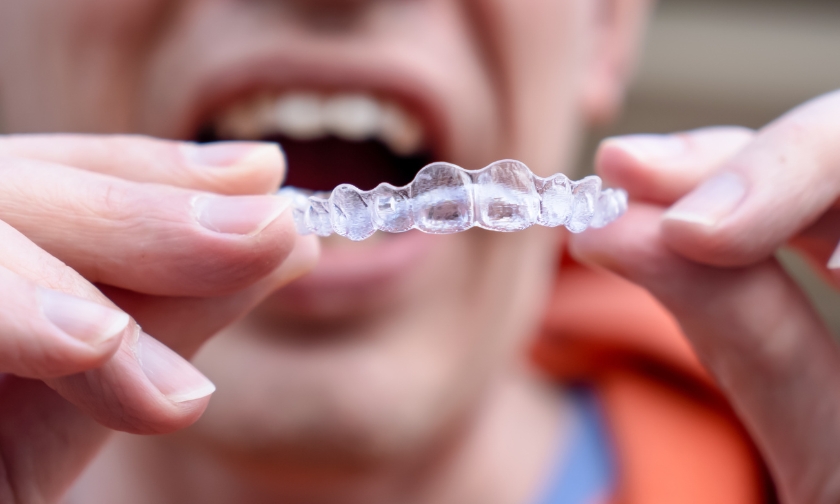



Transitioning to Invisalign allows you to work toward a better smile without putting your lifestyle on hold. However, many people experience a sensation of “tightness” in their aligners during the first week of wear. If you’re one of those people wondering if this discomfort is normal or how to handle it, you’re not alone. The feeling is part of the process, but it doesn’t have to interfere with your comfort or your treatment plan. As someone who has guided numerous patients through their Invisalign experience, I want to break down what you can expect, why it happens, and how to manage it.
What Causes Aligner Tightness?
The sensation of tightness occurs because Invisalign aligners are designed to gently move your teeth into the desired position. Each new set of aligners applies slight pressure to shift your teeth, which can lead to a feeling of snugness or discomfort. This is particularly noticeable in the first few days of wearing a new set.
For most people, this tightness lasts anywhere from a couple of hours to a few days, and it gradually lessens as your teeth adjust. This is completely normal, but knowing how to manage the discomfort can help you feel more at ease during this transition.
Tips to Manage Aligner Tightness
While it may seem daunting at first, there are several ways you can ease the tightness and make your experience more comfortable.
1. Stick to Your Schedule
Wearing your clear aligners as prescribed is crucial. Initially, the tightness may seem like it’s unbearable, but as your teeth begin to shift, the pressure will gradually reduce. It’s tempting to take them out for relief, but try to leave them in for at least 20-22 hours a day, as your dentist recommends. This will ensure your treatment stays on track and the tightness subsides quickly.
2. Use Orthodontic Wax
If the aligners are irritating your gums or the inside of your cheeks, consider using orthodontic wax. This small tool helps to prevent painful friction between your aligners and the sensitive areas inside your mouth. Simply roll the wax into a ball and place it on the edges of your aligners where they rub against your mouth.
3. Over-the-Counter Pain Relief
For those who experience more intense discomfort, taking an over-the-counter pain reliever like ibuprofen or acetaminophen can help. These medications can reduce swelling and discomfort in the initial days. Just be sure to follow the dosing instructions on the package and avoid taking them more frequently than recommended.
4. Eat Soft Foods
During the first few days with a neHow to Manage Aligner “Tightness” During the First Week: A Practical Guidew set of aligners, it’s helpful to stick to softer foods. Eating hard or chewy foods can exacerbate the feeling of tightness and make your gums sore. Soft foods like mashed potatoes, yogurt, and soups are good choices until the tightness begins to fade.
5. Gently Massage Your Gums
Massaging your gums with your fingers can promote circulation and help reduce soreness. Gently massage the outer parts of your gums, especially the areas that feel most sensitive. This can help alleviate some of the pressure you’re feeling from the aligners.
6. Wear Aligners During Sleep
Wearing your aligners while you sleep can help the process along and reduce tightness. Your teeth are more likely to stay in their new positions if you’re consistent with your wear schedule. Plus, you’ll spend 8 hours without worrying about tightness!
What to Expect in the First Week
It’s common to feel discomfort during the first few days of each new set of aligners. The first week might feel like a bit of an adjustment period, but here’s a timeline of what to expect:
- Day 1-3: Tightness is most noticeable. Your teeth may feel sore or sensitive when you chew or touch the aligners. This is completely normal as your teeth are starting to shift.
- Day 4-7: The discomfort should begin to fade as your teeth adjust. The pressure may feel less intense, and you’ll likely find your aligners fit more comfortably.
- Week 2 and beyond: By now, your mouth should be more accustomed to the aligners, and the discomfort should be minimal. You’ll start to see the improvements in your smile as your teeth begin to shift.
Why Is Tightness a Good Sign?
It’s important to remember that the tightness means the aligners are working. Invisalign uses carefully crafted aligners that move your teeth gradually. The discomfort is simply a sign that the aligners are doing their job to help you achieve a beautiful, straight smile.
How Long Will the Tightness Last?
Generally, the tightness that comes with new aligners doesn’t last more than a few days to a week. After that, you’ll likely find that each new set of aligners feels less tight than the first few. Over time, the process becomes easier as your teeth get used to shifting positions.
The Importance of Following Your Dentist’s Instructions
As with any dental treatment, your dentist is your best resource. Following their instructions on wearing time, caring for your aligners, and regular checkups helps ensure the treatment progresses smoothly. If you experience unusual or persistent discomfort beyond the typical tightness, don’t hesitate to reach out to your dentist at Monarch Dental Care in Prairie Village.
People Also Ask
1. How can I prevent discomfort in the first week of using Invisalign?
It’s important to follow your dentist’s wear schedule and avoid removing your aligners too often. Using orthodontic wax, taking over-the-counter pain relievers, and sticking to soft foods can help ease discomfort in the first few days.
2. How long will I feel tightness with Invisalign aligners?
Tightness typically lasts for a few days after receiving a new set of aligners. The pressure will lessen as your teeth begin to shift.
3. Can I drink beverages while wearing my Invisalign aligners?
It’s best to drink only water while wearing your aligners. Drinks like coffee, tea, or soda can stain the aligners. Always remove your aligners when consuming anything other than water.
4. Is the tightness from Invisalign a sign that my teeth are moving?
Yes! The tightness you feel is a good sign that your aligners are gradually shifting your teeth into the desired position.
5. Can I chew gum with Invisalign in?
It’s best to avoid chewing gum while wearing your aligners. Gum can get stuck to your aligners, affecting the fit and movement of your teeth.