
Did you know that missing teeth can not only impact your smile but also your heart health? It’s true! A growing body of research shows a significant connection between your oral health and overall well-being, including the risk of heart disease. At Monarch Dental Care, we understand the importance of keeping your mouth healthy, not just for your appearance but for your heart too.
In this post, we’ll explore how fixing missing teeth with dental implants can help reduce markers for heart disease and improve your overall health. Keep reading to learn more about the oral-systemic connection and why replacing missing teeth is more important than you might think.
Understanding the Oral-Systemic Connection
What is the Oral-Systemic Connection?
The oral-systemic connection refers to the link between your oral health and your general health. Research has shown that poor oral hygiene and untreated dental issues, such as gum disease and missing teeth, can lead to a range of systemic health problems.
These include heart disease, diabetes, respiratory issues, and even pregnancy complications. While the mouth is often seen as separate from the rest of the body, the reality is that oral health directly impacts your overall health.
The Impact of Oral Health on Systemic Conditions
One of the most well-established links in the oral-systemic connection is between gum disease and heart disease. Studies have shown that the bacteria found in gum disease can enter the bloodstream, causing inflammation in blood vessels. This can lead to the development of plaque in the arteries, a condition known as atherosclerosis, which is a significant risk factor for heart attacks and strokes.
Additionally, poor oral health has been linked to other systemic diseases like diabetes. People with gum disease often have difficulty controlling blood sugar levels, which can lead to complications for those with diabetes. The inflammation caused by untreated dental issues can disrupt the body’s ability to regulate blood sugar, leading to worse health outcomes.
The Role of Missing Teeth in Overall Health
When teeth are missing, it’s not just a cosmetic issue. Missing teeth can lead to problems with eating, speaking, and even your overall facial structure. More importantly, missing teeth can contribute to gum disease, which can then lead to the systemic issues mentioned earlier.
This makes it essential to replace missing teeth with durable and functional options, such as dental implants in Prairie Village, to restore oral health and help prevent systemic health problems.
How Missing Teeth Impact Heart Health
The Link Between Missing Teeth and Heart Disease
Missing teeth can lead to several health complications, particularly when it comes to your cardiovascular system. The gap left by a missing tooth can cause the surrounding teeth to shift out of alignment.
This misalignment can create pockets where food and bacteria accumulate, which increases the risk of gum disease. If the bacteria in these pockets enter the bloodstream, they can travel to the heart and cause inflammation in the arteries, increasing the likelihood of heart disease.
In fact, studies have shown that people with gum disease are at a higher risk of developing cardiovascular problems. The link between oral health and heart disease is primarily due to the inflammatory response in the body. When inflammation is present, it can lead to plaque buildup in the arteries, which can narrow and harden the arteries, ultimately increasing the risk of a heart attack or stroke.
The Role of Gum Disease in Heart Disease
Gum disease, also known as periodontal disease, is a major contributor to the oral-systemic connection. When left untreated, gum disease causes inflammation and infection in the gums, which can spread to the rest of the body. This inflammation contributes to the development of atherosclerosis, a condition that thickens and narrows the arteries. It is this process that can eventually lead to heart disease.
In addition to heart disease, gum disease is also linked to other conditions such as stroke, diabetes, and respiratory infections. This makes it essential to address gum disease as soon as possible, especially if you are missing teeth.
Other Systemic Risks Associated with Poor Oral Health
Poor oral health doesn’t only affect your heart. Missing teeth and untreated gum disease have been linked to other serious health conditions. One of the major concerns is stroke. Just as with heart disease, the bacteria from gum disease can travel to the brain, increasing the risk of stroke.
Additionally, people with poor oral health are more likely to experience issues with their respiratory system. When bacteria from the mouth is inhaled into the lungs, it can cause respiratory infections like pneumonia, particularly in individuals with weakened immune systems or pre-existing lung conditions.
The Role of Dental Implants in Reducing Risk
What Are Dental Implants?
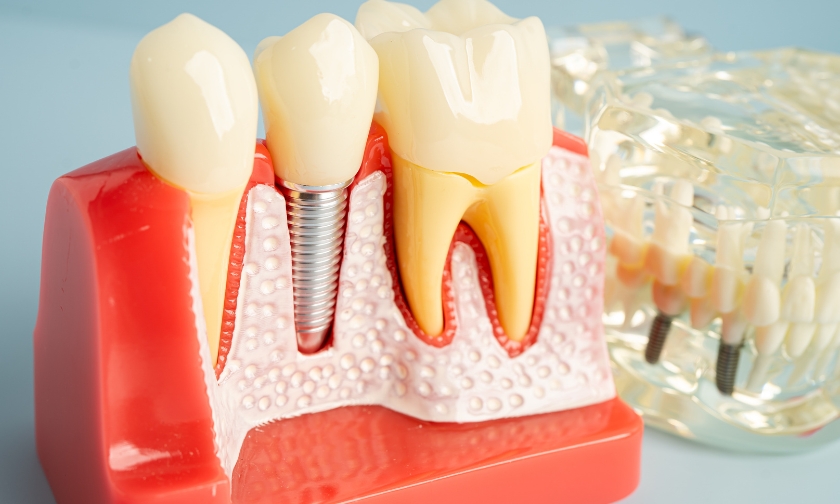
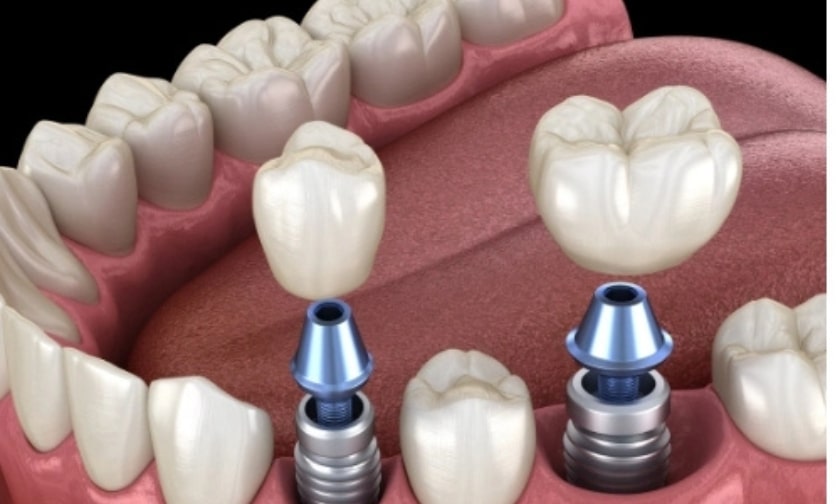
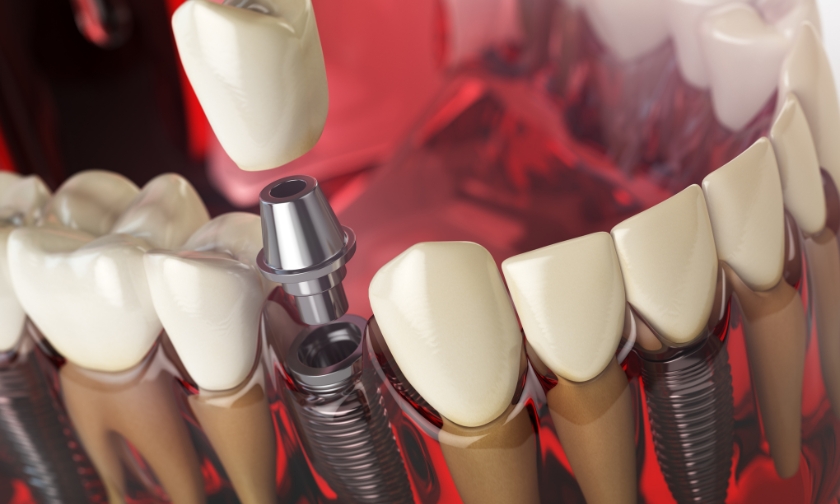
Dental implants are a permanent solution for replacing missing teeth. Unlike dentures or bridges, implants are surgically placed into the jawbone, where they function just like natural teeth.
This process involves the implantation of a titanium post into the jaw, which serves as the root of the tooth. Over time, the bone fuses with the post, creating a secure and stable foundation for a crown to be placed on top. The result is a durable, functional, and natural-looking replacement for missing teeth.
Health Benefits Beyond Aesthetics
The benefits of dental implants go beyond improving your smile. By replacing missing teeth, implants restore proper function to your mouth, making it easier to eat, speak, and smile with confidence. But more importantly, dental implants help to maintain the health of your jawbone.
When you lose a tooth, the bone in your jaw can begin to deteriorate because it is no longer being stimulated by chewing. This can lead to further tooth loss and changes to your facial structure. Dental implants, however, help preserve the bone, preventing deterioration and the related complications.
Additionally, by restoring proper alignment and filling gaps left by missing teeth, implants help reduce the likelihood of gum disease and the inflammation that can lead to heart disease.
Reducing Inflammation and Promoting Healthy Bacteria
One of the key health benefits of dental implants is their ability to reduce inflammation in the gums. By replacing missing teeth and restoring the alignment of your teeth, implants help prevent the build-up of food particles and bacteria in the gaps. This significantly reduces the risk of gum disease and, in turn, helps lower the inflammatory markers that contribute to heart disease.
Furthermore, implants encourage a healthy oral environment by allowing for proper oral hygiene. This promotes the growth of healthy bacteria in the mouth, which can help fight off harmful bacteria that could otherwise enter the bloodstream and lead to systemic health issues.
Connection to Heart Disease
By addressing the issue of missing teeth, dental implants in Prairie Village play a crucial role in reducing the risk factors for heart disease. The restoration of missing teeth helps maintain the health of your gums, reduces inflammation, and improves the overall health of your mouth. As a result, the risk of systemic diseases, including heart disease, is lowered.
For residents of Kansas City and surrounding areas, Monarch Dental Care is here to help you restore your oral health and reduce your heart disease risk with dental implants.
In summary, missing teeth not only affect your smile but can also significantly impact your overall health, including your heart. The link between oral health and heart disease is well-documented, and restoring missing teeth with dental implants can help reduce the risk of heart disease by promoting healthy gums and reducing inflammation.
If you’re missing teeth and concerned about your heart health, schedule a consultation today at Monarch Dental Care. Let us help you improve your oral health, restore your smile, and take steps toward a healthier heart.
People Also Ask
How long do dental implants last?
With proper care, dental implants can last a lifetime, providing long-term benefits for both oral and overall health.
Are dental implants suitable for everyone?
Most people are good candidates for dental implants, but it’s important to consult with a dentist to evaluate individual health conditions.
How quickly can I see health improvements after dental implants?
Health improvements, like reduced gum inflammation, can be seen within a few months after the procedure as the implants help restore oral health.
Will dental implants improve my ability to chew?
Yes, dental implants restore full chewing function, making eating easier and more enjoyable, which is beneficial for overall health.
Do dental implants require special care?
No, dental implants are cared for like natural teeth, with regular brushing, flossing, and dental check-ups to maintain optimal health.