
Dental implants have long been considered the gold standard for tooth replacement, offering a permanent solution for missing teeth. But what happens when an implant fails? Whether due to complications during the healing process, misalignment, or unexpected bone loss, dental implant failure can be both frustrating and costly. Fortunately, the advancements in dental technology in 2026 offer a “second chance” for those looking to redo their implants.
At Monarch Dental Care, we are excited to offer state-of-the-art solutions that not only address the reasons for failure but also increase the chances of long-lasting success. If you’ve experienced implant issues, you’re not alone—and with the right expertise and technology, we can help restore your smile.
Understanding Why Implants Fail
Dental implants, though highly effective, are not without their challenges. Understanding the common causes of implant failure is essential to preventing further issues and ensuring a successful outcome for future treatments.
- Common Causes of Failure:
- Infection: One of the most common reasons for implant failure is infection. Bacteria can enter the implant site, leading to peri-implantitis (gum infection around the implant) and bone loss.
- Implant Misalignment: Improper placement during surgery, or shifting of the implant after placement, can lead to misalignment, causing discomfort or even failure of the implant.
- Bone Loss: For an implant to integrate successfully with the bone, there must be adequate bone density. Inadequate bone volume or loss of bone after placement can cause implants to fail.
- Poor Oral Hygiene: Just like natural teeth, implants require proper care. Failing to maintain good oral hygiene can lead to plaque buildup and infection.
- Underlying Medical Conditions: Conditions such as diabetes, smoking, or osteoporosis can also contribute to implant failure by hindering the healing process or compromising bone strength.
- Statistics and Facts:
Studies show that dental implant failure rates are generally low, but they can occur. Research indicates a failure rate of approximately 5-10% for dental implants, depending on various factors like patient health and the expertise of the surgeon.
- Importance of Addressing Failures Early:
The sooner a failed implant is addressed, the better the chance for success with a redo. Waiting too long can lead to further bone loss, making it more difficult to place a new implant. Early intervention helps reduce the risk of complications and ensures better outcomes in the long run.
How 2026 Technology Is Revolutionizing Implant Redos
Advancements in dental technology in 2026 have brought about exciting changes that make redoing a failed implant more effective and reliable. Here’s how these technologies are transforming the process:
- New Advances in Implant Materials:
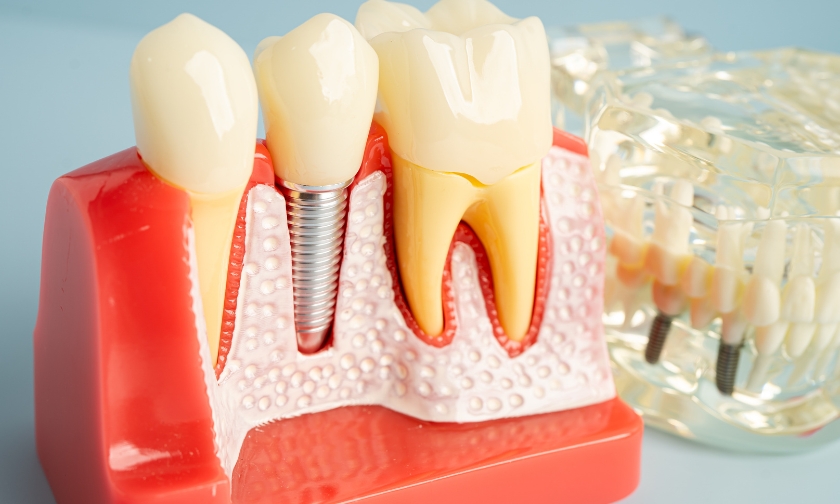
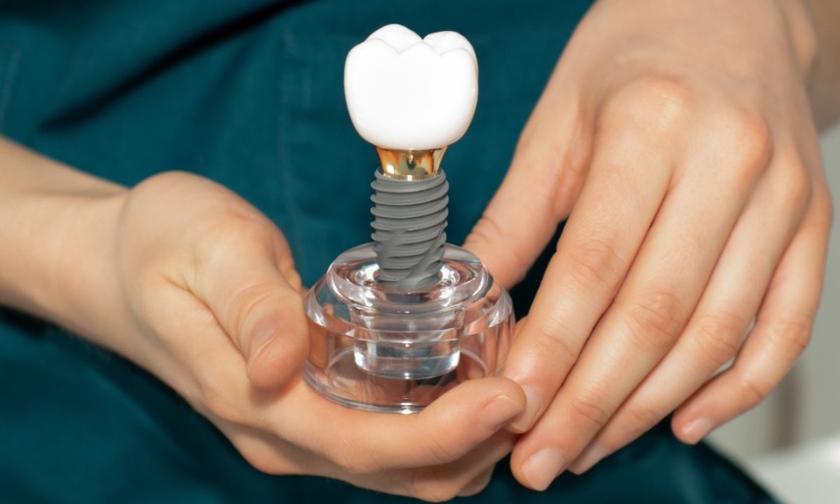
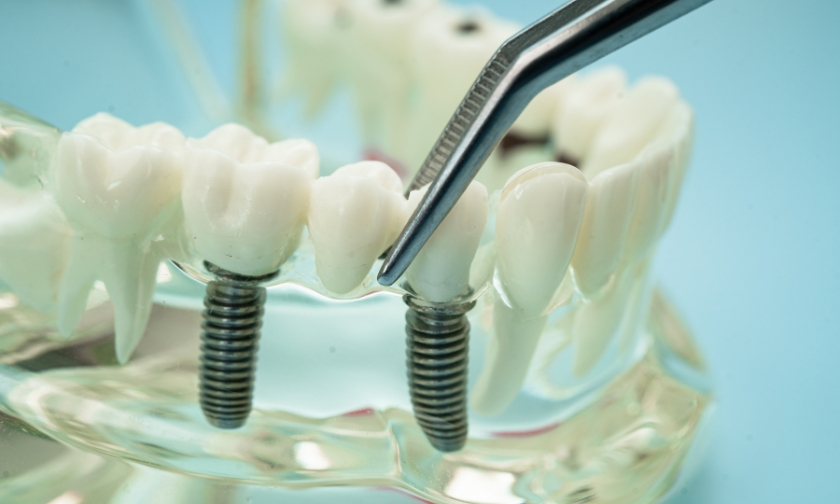
Materials used for dental implants in Prairie Village have significantly evolved. In particular, stronger, more durable materials such as zirconia and titanium alloys have become common. These materials offer superior resistance to fracture and wear, ensuring that your new implant is both functional and long-lasting.
- AI and 3D Imaging:
One of the most exciting advancements is the use of AI-driven technology and 3D imaging for precise planning. Using these tools, dental professionals can get a detailed 3D view of the jaw and surrounding structures, allowing for more accurate implant placement. This reduces the risk of misalignment and ensures that the new implant fits perfectly.
- Bone Regeneration Techniques:
For patients who have experienced significant bone loss, bone grafting techniques have seen major improvements. Stem cell-based procedures and bone regeneration methods allow for the restoration of bone volume, making it possible to place implants where it was once impossible. These techniques not only help restore bone health but also improve the chances of implant success.
- Smarter Healing Processes:
Recovery has also improved with the introduction of laser treatments and biologic enhancements. These therapies promote faster healing, reduce inflammation, and improve tissue regeneration, ensuring that your implant integrates seamlessly with the jawbone.
The Second Chance Implant Process
Redoing a failed dental implant requires a thorough consultation and careful planning. Here’s what to expect throughout the process:
- Consultation and Evaluation:
The first step is a comprehensive consultation with our professionals at Monarch Dental Care. During this visit, we will evaluate your oral health, review your medical history, and conduct digital imaging to assess the condition of your jawbone and gums. This helps us understand the reasons behind the implant failure and develop a personalized treatment plan.
- Planning the Redo Procedure:
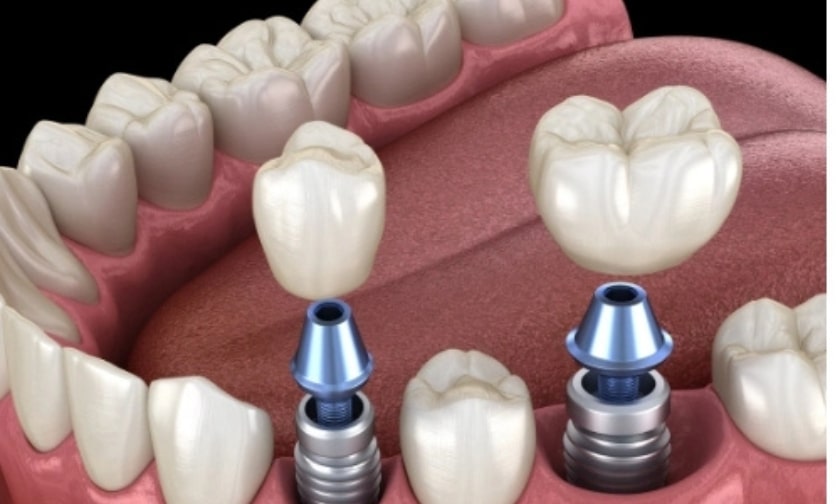
With the help of advanced 3D imaging and AI-driven technology, we can map out the ideal placement for your new implant. If bone regeneration is required, we’ll incorporate the latest bone grafting techniques to ensure a solid foundation for the implant.
- Post-Procedure Care:
After the procedure, our team will provide detailed aftercare instructions to help you recover smoothly. Thanks to innovations in healing processes, the recovery time is shorter, and you’ll experience less discomfort. Regular follow-up appointments will ensure that the implant is healing as expected.
Benefits of Choosing a “Second Chance” Implant
Redoing failed dental implants in Prairie Village with 2026 technology offers numerous advantages:
- Improved Success Rate:
With the latest advancements in materials, techniques, and technology, the success rate for redoing implants is higher than ever. By addressing the root causes of failure, we can ensure that your new implant has a much better chance of lasting for years to come.
- Reduced Complications:
New techniques, such as computer-guided surgery, minimize the risks associated with redoing a failed implant. Our ability to precisely plan the procedure and use cutting-edge materials results in fewer complications.
- Long-Term Results:
The new technology doesn’t just ensure a successful procedure. It also ensures long-term results. With proper care, your second-chance implant is likely to last for many years, providing a durable and natural-looking solution.
Is a Second Chance Implant Right for You?
A second-chance implant is a great option for many patients, but not everyone is a good candidate. Ideal candidates include:
- Patients with Failed Implants: If your initial implant failed due to infection, misalignment, or bone loss, you may be a good candidate for a redo.
- Those with Bone Loss: If you’ve undergone bone loss in the area of the implant, new regenerative techniques can restore the bone and allow for successful implant placement.
- Patients with Previous Complications: If your previous implant was unsuccessful due to medical conditions or other factors, our advanced techniques may help you achieve a better outcome.
If you’re unsure whether a second-chance implant is right for you, schedule a consultation with us at Monarch Dental Care. Our team will evaluate your situation and guide you through the best options available.
With 2026 technology, redoing a failed dental implant is now more successful and less complicated than ever. At Monarch Dental Care, we are excited to offer these advanced solutions, ensuring that you get the smile you deserve. If you’ve experienced a failed implant, don’t lose hope. Contact us today to schedule a consultation, and let’s explore your options for restoring your smile with the latest technology.
What People Ask
How long does it take to recover from a second-chance implant?
Thanks to advancements in healing technology, recovery time is faster, and most patients experience less discomfort during the healing process.
Are second-chance implants more successful than previous ones?
Yes, newer technologies and materials significantly improve the success rate, reducing complications and ensuring long-term results.
What materials are used for second-chance implants?
Modern second-chance implants often use durable materials like zirconia and titanium alloys, which offer enhanced strength and long-term reliability.
What is the success rate of a second-chance implant?
With the latest technology, the success rate of redoing a failed implant is significantly higher, thanks to improved materials and smarter healing processes.
Can I resume normal activities after a second-chance implant?
While initial healing may require some downtime, many patients are able to return to normal activities sooner due to faster recovery times with advanced treatments.