
Have you been struggling with sleepless nights, constant fatigue, or even waking up with a dry mouth? Sleep apnea could be the culprit. This common condition disrupts your sleep, affecting both your health and your quality of life. If you’ve tried traditional treatments like CPAP therapy but still struggle with your sleep apnea symptoms, a dental solution could be the answer you’ve been looking for.
At Monarch Dental Care, we understand that a restful night’s sleep is essential for your overall well-being. One option that might surprise you is full-arch restoration. While typically associated with replacing missing teeth, full-arch restoration can do more than just restore your smile. It can help open the airway, offering relief for sleep apnea sufferers by improving jaw alignment and reducing airway blockages.
Understanding Sleep Apnea
What is Sleep Apnea?
Sleep apnea is a condition where your breathing is repeatedly interrupted during sleep. These pauses in breathing can last for a few seconds to minutes and occur many times throughout the night. There are three main types of sleep apnea:
- Obstructive Sleep Apnea (OSA): The most common form, it occurs when the muscles at the back of your throat relax excessively, causing a temporary blockage in your airway.
- Central Sleep Apnea: This type occurs when your brain doesn’t send the right signals to your muscles to regulate breathing.
- Complex Sleep Apnea Syndrome: A combination of both obstructive and central sleep apneas.
Regardless of the type, sleep apnea often leads to a variety of troubling symptoms, including snoring, choking or gasping for air during sleep, and severe daytime fatigue. If left untreated, it can lead to long-term health problems such as high blood pressure, heart disease, stroke, and diabetes.
Symptoms and Consequences
Common signs of sleep apnea include:
- Loud snoring
- Gasping or choking during sleep
- Excessive daytime sleepiness
- Morning headaches
- Difficulty concentrating
Beyond just interrupting sleep, untreated sleep apnea can cause serious health issues. Studies have shown that those with sleep apnea are at a higher risk for cardiovascular problems, such as high blood pressure and heart disease. Chronic fatigue caused by disrupted sleep can also negatively affect mood, work performance, and overall quality of life.
The Role of the Jaw and Teeth in Sleep Apnea
Jaw Alignment and Airway Obstruction
Your jaw plays a crucial role in your breathing during sleep. In people with sleep apnea, the position of the jaw and tongue can contribute to airway obstruction. When the jaw is not properly aligned, it can cause the airway to narrow or collapse during sleep, especially when the muscles in the throat relax.
In obstructive sleep apnea (OSA), this misalignment is the primary cause of airway blockage. The airway obstruction can happen when the tongue falls back into the throat or when the lower jaw is positioned too far back. This creates a struggle for air to pass through the narrow airway, causing pauses in breathing.
Common Dental Issues
Dental problems like misaligned teeth, poor bite (malocclusion), and jaw issues such as TMJ (temporomandibular joint dysfunction) can significantly worsen sleep apnea symptoms. Misaligned teeth may contribute to improper jaw positioning, making it harder to maintain a clear airway during sleep.
People with TMJ disorders often experience jaw pain, headaches, and difficulty with jaw movement, all of which can aggravate sleep apnea. Correcting these dental issues may not only improve your smile but also help improve your sleep quality.
Full-arch Restoration: An Overview
What is Full-arch Restoration?
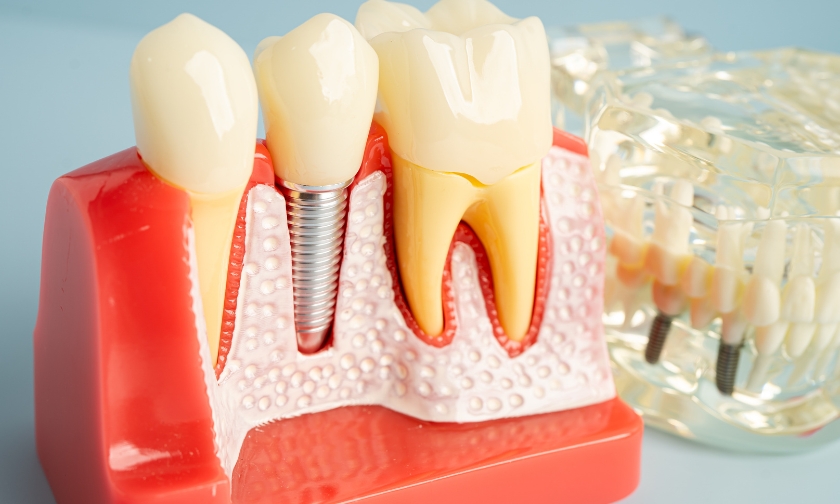
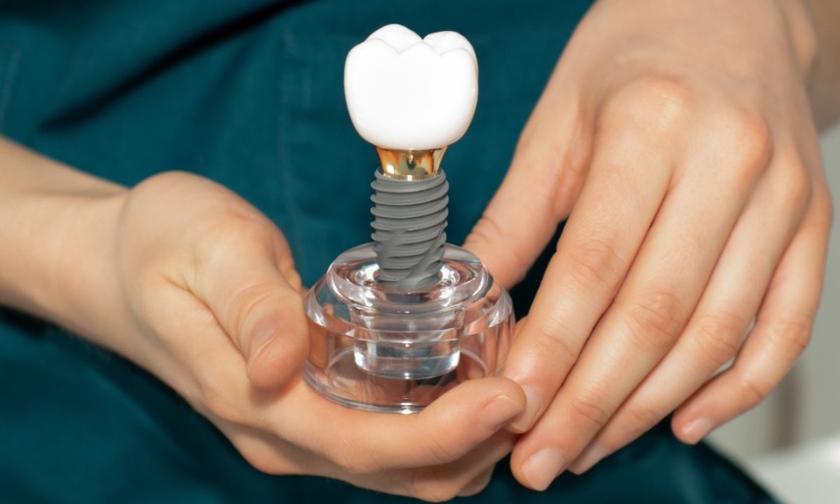
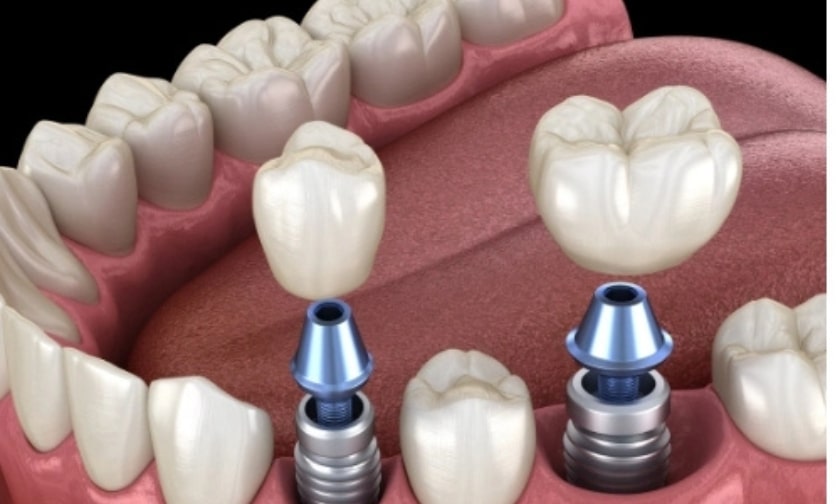
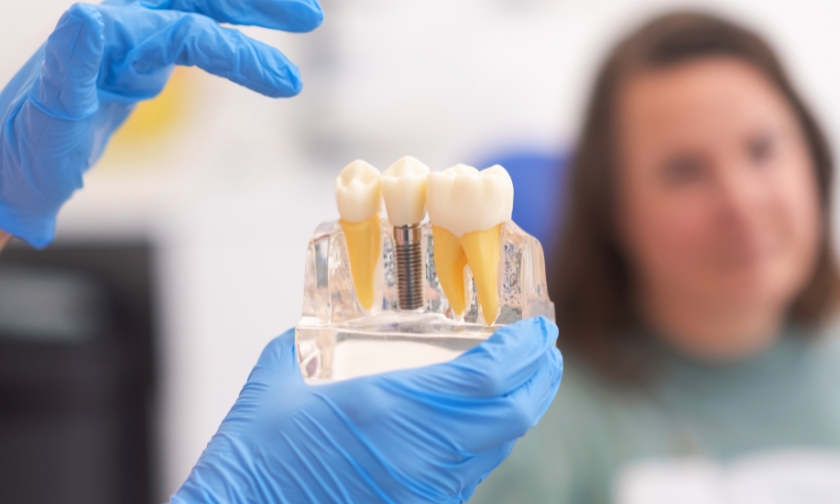
Full-arch restoration is a dental procedure that uses dental implants in Prairie Village to replace an entire arch of teeth. It is a popular option for patients who have lost most or all of their teeth and are looking for a permanent, functional solution. This procedure involves placing a set of dental implants directly into the jawbone, which then supports a custom-made fixed prosthesis (a set of artificial teeth).
This treatment can restore not just your smile but also the function of your mouth. With full-arch restoration, you can enjoy eating, speaking, and smiling with confidence again.
How It Works
Full-arch restoration is typically completed in a series of steps:
- Consultation and Evaluation: The first step involves a consultation with your dentist at Monarch Dental Care. During this visit, we assess your oral health, discuss your goals, and determine whether full-arch restoration is the right solution for you.
- Dental Implant Placement: Once your treatment plan is finalized, we place the dental implants into your jawbone. These implants act as the foundation for your new teeth and are placed in a way that maximizes stability and support.
- Temporary Prosthesis: In many cases, a temporary prosthesis is placed while your implants heal, ensuring that you can go about your daily activities without interruption.
- Final Restoration: After the implants have fully integrated with the bone (a process that typically takes several months), a final, custom-designed prosthesis is attached to complete the restoration.
This procedure can be completed in one day, which is why it’s often referred to as “same-day implants.” The result is a fully functional and natural-looking set of teeth that can last for many years with proper care.
How Full-arch Restoration Can Help with Sleep Apnea
Opening the Airway
One of the remarkable benefits of full-arch restoration is its potential to improve sleep apnea. By restoring the alignment of the jaw, a full-arch restoration can help reposition the lower jaw forward, thus opening up the airway. This repositioning can alleviate the pressure that causes airway blockages during sleep, significantly reducing the severity of sleep apnea.
Stabilizing the Jaw
Full-arch restoration not only restores missing teeth but also stabilizes the jaw and bite. When the teeth are properly aligned, the jaw remains in a natural position, which can help keep the airway open during sleep. This treatment also helps relieve strain on the jaw muscles, reducing discomfort and improving overall jaw function.
Long-term Benefits
The long-term benefits of full-arch restoration for sleep apnea sufferers are significant. Many patients experience improved sleep quality, reduced snoring, and a decrease in the frequency and severity of sleep apnea episodes. This can lead to better overall health, including improved cardiovascular health, more energy during the day, and a greater sense of well-being.
Patient Experience: What to Expect
Before the Procedure
Before undergoing full-arch restoration, you’ll undergo a thorough evaluation at Monarch Dental Care. During this consultation, we will take digital X-rays and possibly a 3D scan of your mouth to assess the health of your jawbone. This will help us plan the placement of the implants.
During and After the Procedure
On the day of the procedure, you will be given local anesthesia or sedation to ensure comfort. The dental implants in Prairie Village are placed into your jaw, and a temporary prosthesis is often provided to ensure that you leave with a complete smile. Recovery typically involves mild swelling or discomfort, which can be managed with prescribed medications.
You will need to attend follow-up appointments to ensure your healing is progressing as expected. In most cases, it takes several months for the implants to fully integrate with the bone, but the results are worth the wait.
Expected Results
After the full-arch restoration procedure, most patients experience a dramatic improvement in their quality of life. Not only will you have a restored smile, but you may also notice significant improvement in your sleep quality, with reduced symptoms of sleep apnea and snoring.
Full-arch restoration is a life-changing solution for those struggling with sleep apnea. By improving jaw alignment and opening up the airway, this innovative treatment can help you sleep better, feel more energized, and live a healthier life.
At Monarch Dental Care, we are committed to helping you find the best solution for your sleep apnea and dental needs. If you’re interested in learning more about how full-arch restoration can improve your sleep quality, contact us today to schedule a consultation. Let us help you get the restful sleep you deserve!
What People Want to Know
Is full-arch restoration a permanent solution for sleep apnea?
Yes, once the implants integrate with the jawbone, the restoration provides a permanent, stable solution to alleviate sleep apnea symptoms.
How long does the recovery take after a full-arch restoration?
Recovery typically takes a few months for the implants to fully integrate with the jaw, but most patients experience improved sleep within weeks.
How long does the full-arch restoration procedure take?
The procedure typically takes a few hours, and you can leave the office with a temporary prosthesis, while your implants integrate over several months.
Can I get a full-arch restoration if I have existing dental issues?
Yes, your dentist will evaluate your oral health to ensure you’re a good candidate. If needed, we can address any existing dental problems before proceeding.
Will full-arch restoration improve my overall health?
Yes, by improving sleep quality, reducing snoring, and relieving the symptoms of sleep apnea, full-arch restoration can lead to better overall health, including enhanced cardiovascular health.