

Noticing small, dark, triangular gaps near the gum line can be frustrating for anyone who pays close attention to their smile. These spaces, often called “black triangles” in the dental community, occur when the gum tissue does not fully fill the area between two teeth. While they might seem like a purely cosmetic issue, they often act as tiny traps for food and plaque, which can eventually lead to gum irritation or decay if left unaddressed. Patients are looking for ways to close these gaps without resorting to invasive procedures.
The technical term for these gaps is gingival embrasures. They result from gum recession, the shape of your teeth, or bone loss. Some people notice them after completing traditional orthodontic work because once crowded teeth are straightened, the lack of gum tissue between them becomes more apparent. Fortunately, modern dental technology provides reliable ways to reshape the smile and bring teeth closer together to minimize or eliminate these spaces. At Monarch Dental Care, we focus on providing solutions that prioritize both the health of your gums and the symmetry of your smile.
Addressing Tooth Shape and Alignment
Closing a black triangle involves more than just pushing teeth together; it requires an evaluation of the tooth’s anatomy. Many teeth are naturally “triangular,” meaning they are wider at the biting edge and narrower at the gum line. When these teeth sit side by side, the narrow bases naturally create a void. To fix this, a dentist might use a technique called Interproximal Reduction (IPR). This involves very slightly thinning the enamel on the sides of the teeth to create a flatter contact surface, allowing them to sit more snugly against each other.
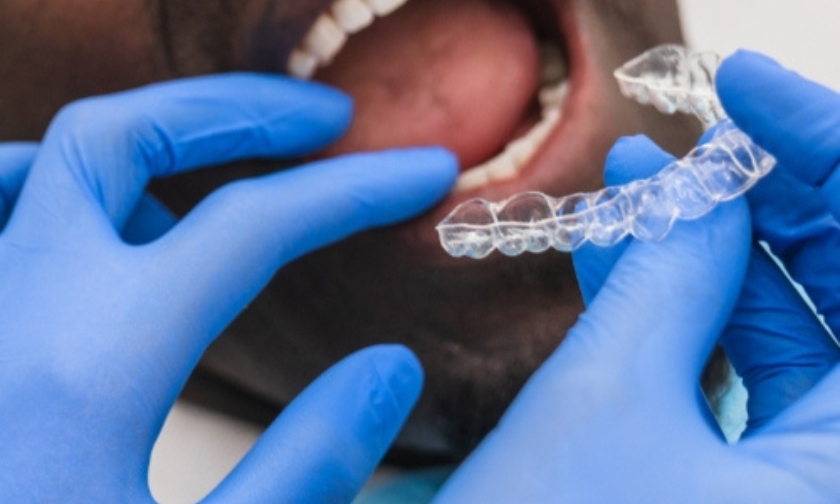
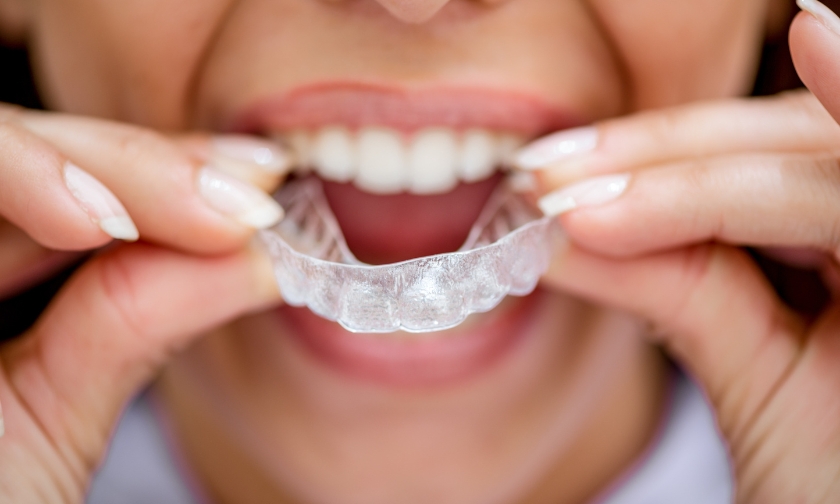
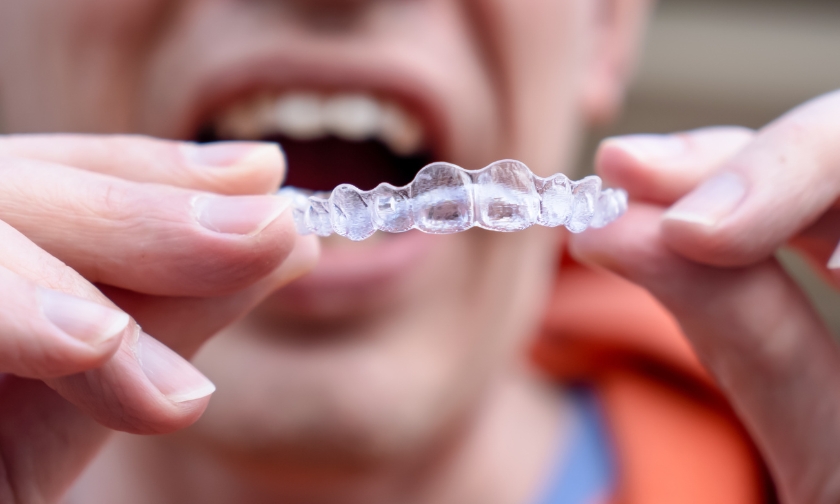
Once the teeth are reshaped, they need a precise way to move into their new, closer positions. This is where Invisalign comes into play for many of our patients. By using a series of custom-molded clear trays, Invisalign provides the controlled force necessary to shift teeth into a tighter alignment that naturally closes those dark voids. This method is particularly popular at Monarch Dental Care because it allows Prairie Village residents to improve their smiles discreetly while maintaining excellent oral hygiene throughout the process. Using Invisalign ensures that the final result looks natural and feels stable.
The Role of Interproximal Reduction (IPR)
Interproximal reduction sounds intimidating, but it is a conservative and common part of clear aligner therapy. By removing a fraction of a millimeter of enamel—roughly the thickness of a piece of paper—the dentist changes the “point of contact” between two teeth into a “line of contact.” This adjustment is often the key to successfully treating black triangles. Without this slight reshaping, simply moving the teeth might not be enough to close the gap if the tops of the teeth are already touching.
This process is entirely safe for the tooth and does not increase the risk of cavities when performed correctly. In fact, by closing the gap, you make the area much easier to clean, which actually protects your long-term dental health. Many people find that once their teeth are properly aligned and the triangles are gone, their gums appear healthier because food no longer gets stuck in those hard-to-reach spots. Monarch Dental Care emphasizes this functional benefit just as much as the aesthetic improvement.
Maintaining Gum Health During Treatment
Healthy gums are the foundation of any orthodontic journey. If you have active gum disease or significant recession, it is important to stabilize the tissue before moving teeth. Black triangles are sometimes caused by the loss of the “interdental papilla,” which is the small peak of gum tissue between teeth. While aligners can move the bone and teeth closer together to encourage the gums to fill the space, maintaining a strict cleaning routine is essential.
- Floss daily: Using a water flosser or interproximal brushes helps keep the areas around the triangles clear of debris.
- Regular cleanings: Staying on top of professional cleanings at Monarch Dental Care helps prevent tartar buildup that can push the gums further away.
- Gentle brushing: Use a soft-bristled brush to avoid further gum recession, which could make the triangles larger.
After completing your alignment, the final step is ensuring your teeth stay in their new, closer positions. Teeth have a natural memory and may try to drift back to their original spots, which could cause those dark triangles to reappear. This is why wearing a retainer as directed is a non-negotiable part of the process. A retainer holds the teeth in that “line of contact,” giving the bone and gums time to solidify around the new arrangement.
For patients in the Kansas City area, achieving a smile without black triangles often leads to a significant boost in self-esteem. You no longer have to worry about a piece of spinach getting stuck in a prominent gap or about your teeth looking “aged.” A tighter, more aligned smile looks younger and is objectively easier to maintain. Monarch Dental Care is proud to help our local community achieve these results using the latest in clear aligner technology.
People also ask
Can black triangles appear during Invisalign treatment?
Gaps can become more visible as crowded teeth straighten. This isn’t usually a new problem, but rather a pre-existing space that was hidden by overlapping teeth. Your dentist will use IPR to close these as treatment progresses.
Is bonding a better option than aligners for black triangles?
Dental bonding uses tooth-colored resin to widen teeth and fill gaps. While faster, it can sometimes make teeth look unnaturally wide or bulky. Aligners offer a more natural-looking result by moving the actual teeth into a tighter, healthier position.
Do black triangles mean I have gum disease?
Not necessarily. While gum recession from periodontal disease is a common cause, it can also result from tooth shape, aggressive brushing, or even the natural aging process. An exam is the only way to determine the specific cause.
Are black triangles permanent if I don’t treat them?
Yes, enamel and bone do not grow back on their own to fill these spaces. Without interventions like IPR and aligners, the gaps will remain and may even widen if further gum recession or bone loss occurs over time.