
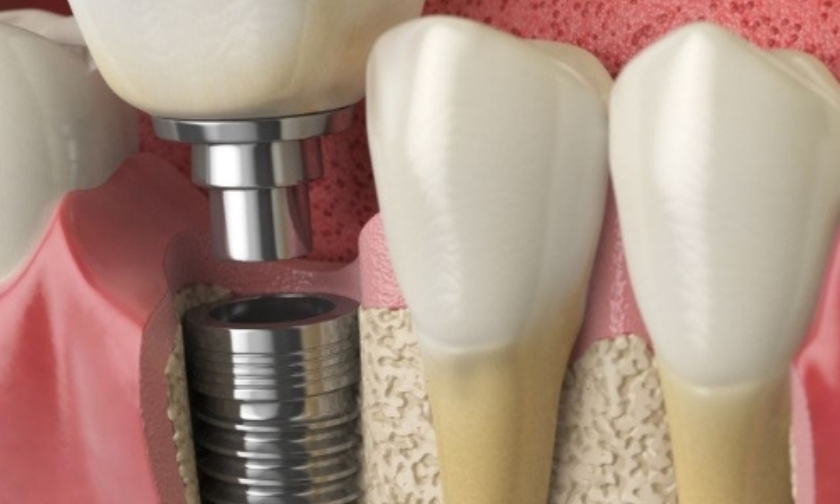
Did you know that osteoporosis, a condition that weakens bones, could also impact your ability to receive dental implants? Osteoporosis affects the density and strength of bones, including the jawbone, which plays a crucial role in the success of implants. Fortunately, advancements in bone-strengthening protocols offer new hope for individuals living with osteoporosis, improving the outcomes of these artificial tooth roots.
In this blog, we will explore how osteoporosis impacts implants and discuss the innovative bone-strengthening treatments now available. By understanding these advancements, patients can gain insight into how their dental health can improve, even with osteoporosis. The goal is to highlight these new protocols and show how they contribute to better success rates for these prosthetic teeth.
Understanding Osteoporosis and Its Impact on Dental Implants
What is Osteoporosis?
Osteoporosis is a condition that results in weakened bones, making them more prone to fractures. It is often referred to as a “silent disease” because bone loss occurs without symptoms until a fracture happens.
The bones become fragile and lose their density over time. This condition can affect various bones throughout the body, including the jawbone, which is essential for securing dental implants.
Challenges in Dental Implant Success
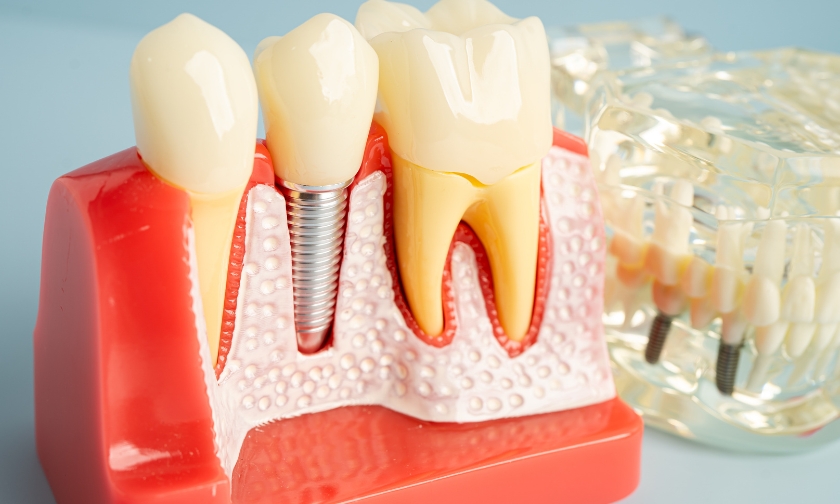
For patients with osteoporosis, the jawbone may not have sufficient strength or density to support implants. The success of these artificial tooth roots largely depends on the jawbone’s ability to fuse with the implant, a process called osseointegration. However, with osteoporosis, the weakened bone structure can make it difficult for the implant to properly integrate, leading to complications like implant failure or delayed healing.
Additionally, osteoporosis can cause the jawbone to recede, further complicating the implant process. If the jawbone is too thin or soft, a bone graft may be necessary, which introduces additional complexity and time to the treatment process.
Traditional Treatment Options
Historically, bone grafting has been the go-to solution for patients with low bone density. This procedure involves taking bone from another part of the body or using synthetic materials to build up the jawbone to make it suitable for implant placement. While effective, bone grafting has limitations, especially for individuals with advanced osteoporosis. It can be time-consuming, costly, and might not always yield the best results.
However, new bone-strengthening protocols are emerging, offering alternatives and enhancements to traditional treatments, giving hope to those with osteoporosis.
New Bone-Strengthening Protocols for Dental Implants
Introduction to New Protocols
Advancements in implant technology have introduced several cutting-edge bone-strengthening protocols, providing new hope for patients with osteoporosis who may have previously struggled with the success of implants.
Traditionally, osteoporosis was considered a significant barrier to receiving dental implants in Prairie Village due to weakened jawbones that lacked the necessary density to support implants. However, thanks to these modern treatments, patients now have access to solutions that not only increase bone density but also promote better healing and long-term success for these artificial tooth roots.
These protocols aim to stimulate bone growth, strengthen the jawbone, and improve osseointegration (the process of the implant fusing with the bone), even in those with low bone density. Let’s explore the latest developments in bone-strengthening treatments for implants.
Bone-Stimulating Treatments
One of the most promising bone-strengthening treatments is low-intensity laser therapy (LILT). This non-invasive treatment uses low-level laser light to stimulate bone healing and regeneration. The light penetrates deep into the bone tissue, promoting circulation and increasing the activity of bone-forming cells. LILT not only helps stimulate bone growth around implants but also reduces inflammation and pain, accelerating the healing process.
Another breakthrough treatment is osteogenic growth factors, which are natural proteins that stimulate bone regeneration. When applied to the site of an implant, these growth factors encourage the formation of new bone tissue, making it more conducive for osseointegration. This therapy is particularly beneficial for patients with osteoporosis, as it can help the weakened bone regenerate and strengthen in the areas surrounding the implant.
Bone-Resorption Inhibition Therapies
For individuals dealing with more advanced stages of osteoporosis, bone-resorption inhibition therapies can provide essential support. Medications like bisphosphonates and denosumab help slow down the breakdown of bone tissue by inhibiting the activity of osteoclasts, the cells responsible for bone resorption. By reducing bone loss, these medications increase the overall density of the bone, which is crucial for successful these prosthetic teeth.
Bisphosphonates, such as alendronate and risedronate, have been widely used in the treatment of osteoporosis. They are particularly beneficial for patients whose bone density is too low for implant surgery.
Similarly, denosumab, a medication that targets a protein involved in bone resorption, has shown great promise in increasing bone density and reducing fracture risk. Both therapies are typically prescribed in conjunction with other treatments to enhance bone health before implant placement.
Guided Bone Regeneration (GBR)
Guided Bone Regeneration (GBR) is a well-established procedure in implant dentistry, particularly for patients with insufficient bone mass. The process involves the use of a biocompatible membrane that is placed over the implant site.
This membrane allows bone to grow in the desired direction while preventing soft tissue from filling in the area prematurely. GBR not only helps regenerate bone tissue but also provides a scaffold for bone growth, enabling the jawbone to heal and thicken.
For osteoporotic patients, GBR can be a game-changer, especially when traditional bone grafting is not an option. The treatment is highly effective in areas where the bone has significantly receded, helping to rebuild a solid foundation for implant placement. In some cases, GBR is combined with other treatments like PRP or bone-stimulating therapies for even greater success.
Platelet-Rich Plasma (PRP) and Platelet-Rich Fibrin (PRF)
Another innovative approach in bone-strengthening for implants is the use of Platelet-Rich Plasma (PRP) and Platelet-Rich Fibrin (PRF). These therapies involve collecting the patient’s own blood, which is then processed to concentrate platelets and growth factors. When applied to the implant site, PRP and PRF accelerate healing by promoting tissue regeneration and stimulating bone growth.
PRP and PRF are especially beneficial for osteoporotic patients because they help strengthen the bone surrounding the implant before and after placement. PRP, with its high concentration of growth factors, enhances the body’s natural healing response, while PRF provides a steady release of growth factors over time, ensuring long-lasting results.
This combination of healing properties makes PRP and PRF ideal adjuncts to implant surgeries, improving both the success rates and the speed of recovery.
How These Protocols Improve Implant Success Rates
Enhanced Bone Density and Integration
The primary goal of these new protocols is to enhance bone density. Treatments like LILT and bone-stimulating growth factors strengthen the bone, providing a more supportive foundation for dental implants. With improved bone quality, the chances of successful osseointegration (the fusion of the implant with the bone) are significantly increased.
Reduced Risk of Implant Failure
By strengthening the jawbone and improving its density, the likelihood of implant failure decreases. In the past, osteoporosis patients had a higher risk of implants failing due to weak bone structure. With these new protocols, the bone becomes more robust, allowing the implant to stay in place and function properly for years to come.
Faster Recovery Time
One of the major benefits of the new bone-strengthening protocols is the reduction in recovery time. Treatments like PRP and PRF accelerate the healing process by promoting faster tissue regeneration. As a result, patients experience less downtime and quicker recovery after their implant surgery, which is especially important for individuals managing osteoporosis.
Who Can Benefit from These Advancements?
Patients with Osteoporosis
Patients with osteoporosis can now look forward to more favorable outcomes when undergoing dental implant procedures. However, the success of these artificial tooth roots will still depend on the severity of bone loss. Individuals with mild to moderate osteoporosis may benefit most from these new protocols, while those with severe bone loss may need additional treatments like bone grafting to supplement the new bone-strengthening techniques.
Age and Health Considerations
Age plays a significant role in the success of implants. Older adults, particularly those with osteoporosis, may have more difficulty healing after surgery. However, the new treatments are designed to help improve bone healing and reduce the risks of complications, making dental implants a viable option for many older patients.
Collaborating with Healthcare Providers
Patients with osteoporosis must collaborate with their healthcare providers, including endocrinologists and rheumatologists, before pursuing dental implants in Prairie Village. These specialists can help assess bone health, suggest appropriate medications, and ensure that patients are in the best possible condition to undergo implant surgery.
The new bone-strengthening protocols for dental implants are a game-changer for patients with osteoporosis. These advancements enhance bone density, reduce the risk of implant failure, and speed up recovery time, making implants more accessible and successful for individuals with weaker bones.
If you’re considering dental implants and have osteoporosis, contact Monarch Dental Care today to learn more about how these innovative treatments can improve your chances of success. Our team is here to guide you through the process and ensure your smile lasts a lifetime.
People Also Ask
How do bisphosphonates help with dental implants?
Bisphosphonates slow bone resorption, increasing bone density, which can improve the chances of successful dental implants in osteoporosis patients.
What is Guided Bone Regeneration (GBR)?
GBR is a procedure that uses a biocompatible membrane to guide bone growth around implants, helping rebuild the jawbone for implant placement.
How does Platelet-Rich Plasma (PRP) aid dental implants?
PRP speeds up healing and strengthens bone by using the patient’s own platelets, promoting bone regeneration before and after implant surgery.
How long does the recovery take with these new protocols?
Recovery times are faster with bone-strengthening treatments like PRP and low-intensity laser therapy, reducing overall healing time.
What is the role of denosumab in dental implants for osteoporosis?
Denosumab helps increase bone density by inhibiting bone resorption, making it easier for dental implants to integrate with the jawbone in osteoporotic patients.