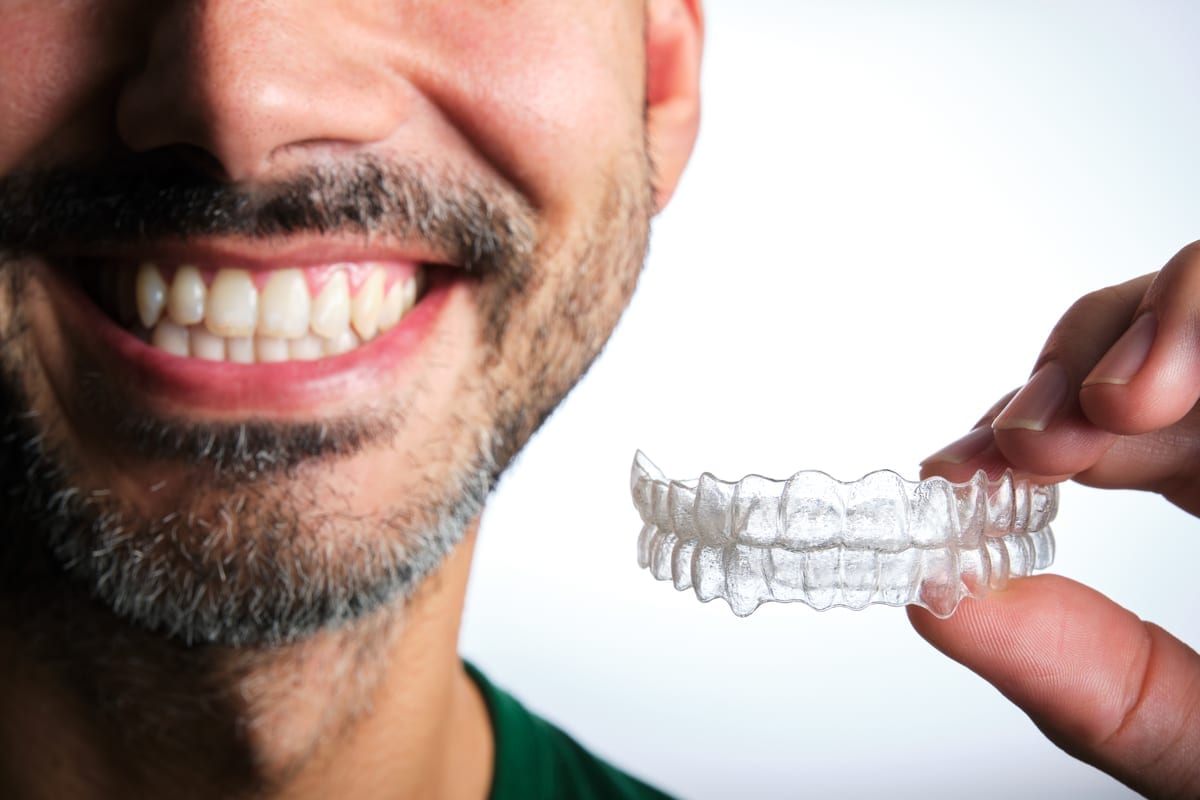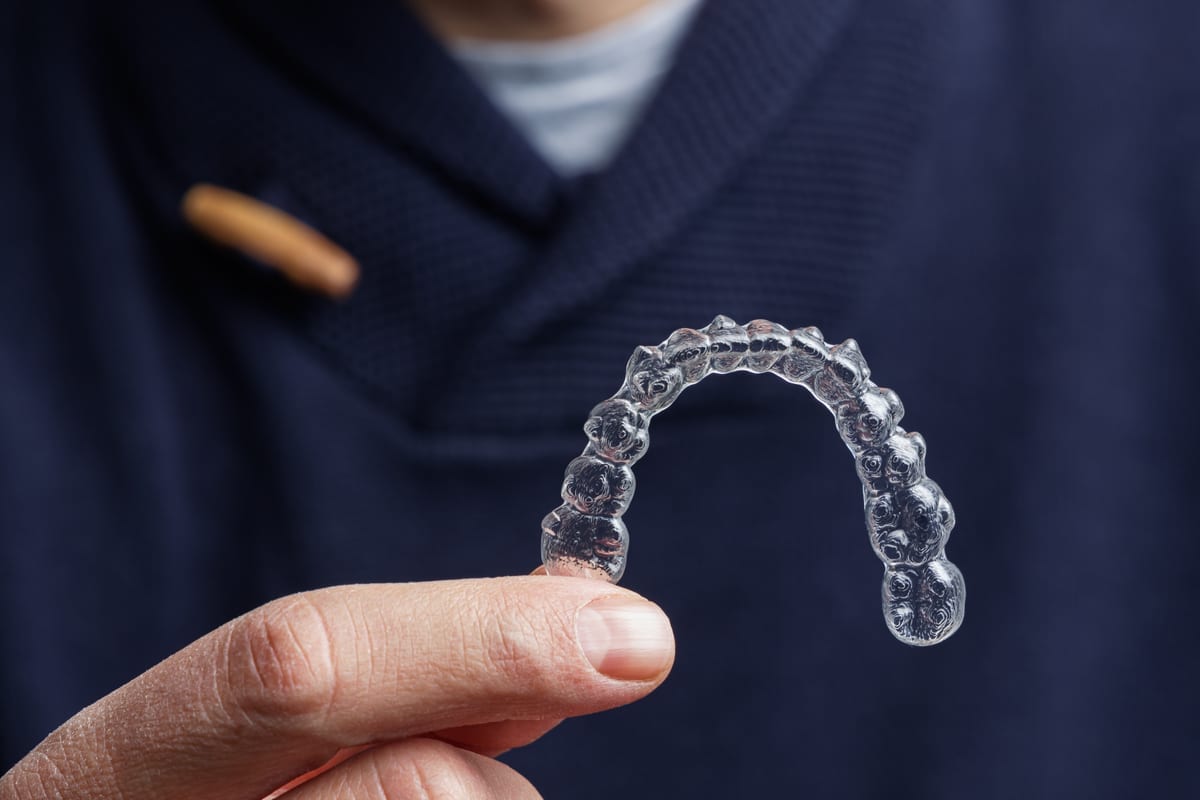


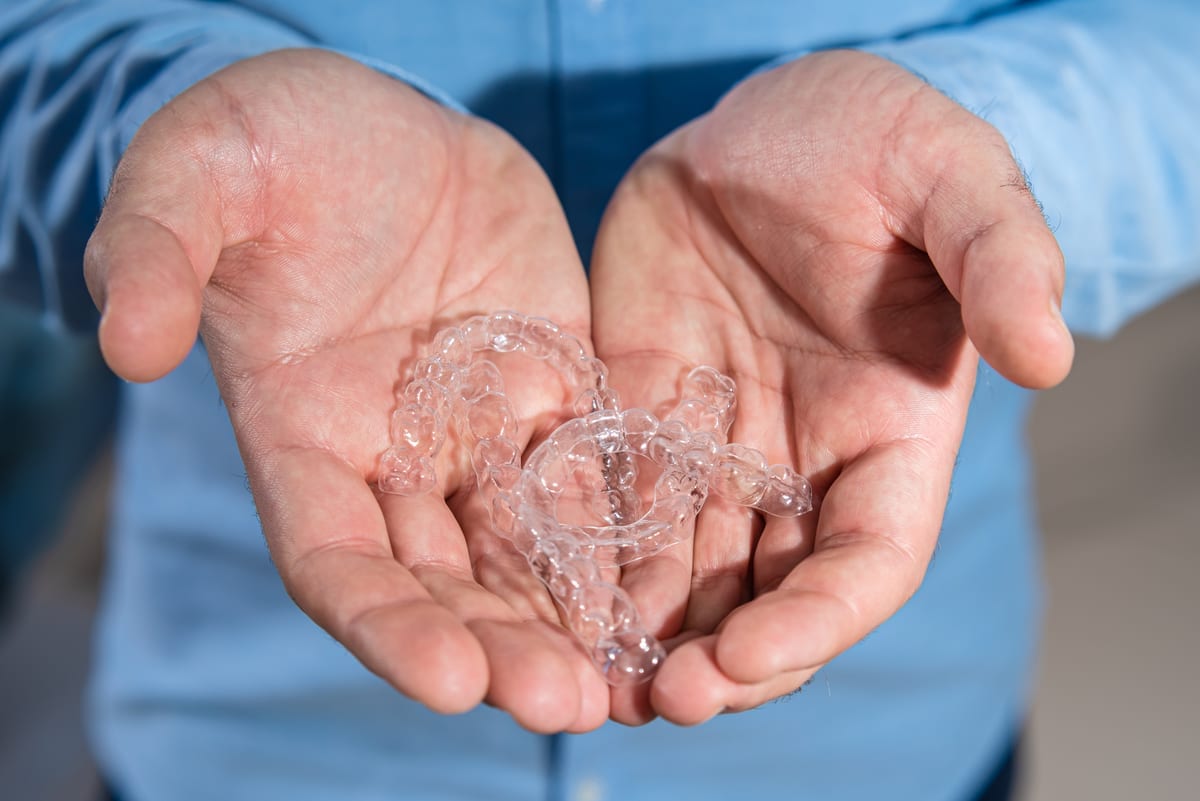
You spent months wearing aligners and following every step. Now your teeth look exactly how you imagined. But what happens to your Invisalign results without a retainer in Prairie Village? The answer might surprise you — and it matters more than most patients expect. Skipping your retainer is one of the most common mistakes after treatment, and it can quietly undo everything you worked for.
Why Your Teeth Don’t Stop Moving After Invisalign
Many patients assume their teeth are permanently set once Invisalign ends. Unfortunately, that is not how your mouth works. Teeth are held in place by soft tissue called the periodontal ligament. That tissue has memory — it wants to pull your teeth back toward their original positions.
This process is called orthodontic relapse. It can start within days of finishing treatment. The younger you are, the faster relapse can happen. Even patients who completed treatment years ago can experience gradual shifting over time.
Your bone and gum tissue need time to fully stabilize around your new tooth positions. That stabilization does not happen overnight. A retainer holds everything in place while that process completes. Without one, your results are genuinely at risk.
What Happens to Your Invisalign Results Without a Retainer in Prairie Village
The changes are often subtle at first. You might notice a slight gap returning or a tooth rotating slightly. Most patients do not panic because the shift feels minor. But small changes compound quickly when left unaddressed.
Within the first few weeks without a retainer, your front teeth are often the first to move. These teeth have less bone support and respond fastest to pressure. Crowding in the lower front teeth is especially common after stopping retainer wear.
Over months or years, more significant relapse can occur. You may find your retainer no longer fits. At that point, you might need a new round of Invisalign to correct the regression. That means additional time and expense that could have been avoided entirely.
- Teeth can begin shifting within days of stopping retainer use
- Lower front teeth are among the most vulnerable to relapse
- Gaps and crowding can return even after years of stability
- A retainer that no longer fits is a sign that significant movement has occurred
- Correcting relapse may require retreatment with aligners
How Long Should You Wear a Retainer After Invisalign?
This is one of the most common questions Dr. Alex Clark hears at Monarch Dental Care Prairie Village KS. The honest answer is that retainer wear is a long-term commitment. Most orthodontic professionals recommend full-time wear for the first six to twelve months after treatment.
After that initial phase, most patients transition to wearing their retainer only at night. Nightly wear is typically recommended indefinitely. Your teeth will continue to have some natural tendency to shift throughout your life.
Some patients find nightly wear easy to maintain as a habit. Others struggle with consistency. Even wearing your retainer five nights per week is far better than skipping it entirely. The goal is to make retainer wear a permanent part of your evening routine.
- Full-time wear recommended for the first 6–12 months post-treatment
- Nightly wear is typically advised after the initial phase
- Long-term or lifelong nightly wear helps prevent relapse
- Consistency matters more than perfection — partial wear still helps
- Losing or breaking a retainer should be addressed promptly
Types of Retainers Available After Invisalign
Not all retainers work the same way. Your dentist will help you choose the best option based on your lifestyle and treatment outcome. Understanding your choices makes it easier to stay committed to retention.
Removable clear retainers look similar to Invisalign trays. They are comfortable, nearly invisible, and easy to clean. Many Invisalign patients prefer these because the transition feels seamless.
Hawley retainers use a wire across the front teeth attached to an acrylic base. They are durable and adjustable, but more visible than clear options. Some patients find them less comfortable initially.
Fixed or bonded retainers are thin wires bonded behind the front teeth. They require no daily effort because they are always in place. However, they need careful cleaning and can occasionally break or detach.
Dr. Alex Clark can walk you through which retainer suits your specific situation. The best retainer is one you will actually wear consistently. Comfort and convenience play a big role in long-term success.
Protecting Your Investment and Your Smile in Prairie Village
Invisalign is part of a broader approach to your overall smile health. Many patients in Prairie Village combine their aligner treatment with Cosmetic Dentistry Prairie Village services to complete their transformation. Retaining those results protects every investment you have made.
Finishing Invisalign is a milestone worth celebrating. But it is also the beginning of an important maintenance phase. Think of your retainer the way you think of other daily habits — like brushing and flossing. It only takes a few minutes each day to preserve months of progress.
Patients who pair good retention habits with regular checkups tend to maintain their results the longest. Scheduling cleanings at Monarch Dental Care Prairie Village KS keeps your teeth healthy and allows Dr. Clark to monitor any subtle changes. Catching early shifting early means a much simpler fix.
If you are curious about brightening your smile after Invisalign, exploring Teeth Whitening Prairie Village is a popular next step. Straighter and brighter teeth together create a smile you will be proud to show off for years.
Conclusion: Keep Wearing That Retainer
The work does not end when your last Invisalign tray comes out. Understanding what happens to your Invisalign results without a retainer in Prairie Village empowers you to protect your progress for the long term. Teeth shift naturally — a retainer is the simple, effective way to prevent that. Dr. Alex Clark and the team at Monarch Dental Care Prairie Village KS are here to support every stage of your smile journey. Book Now to schedule your appointment with our team.
Frequently Asked Questions
How soon can teeth shift after stopping retainer use?
Teeth can begin shifting within just a few days of stopping retainer wear. The first few weeks after Invisalign are especially critical. The periodontal ligament actively tries to pull teeth back toward their original positions during this time.
What should I do if my retainer no longer fits?
If your retainer feels tight or no longer fits properly, contact your dentist right away. A retainer that does not fit is a sign that movement has already occurred. Your dentist can assess how much shifting has happened and recommend the best course of action.
Can I just wear my last Invisalign tray as a retainer?
Some patients use their final Invisalign aligner temporarily as a retainer. However, aligners are designed for movement, not long-term retention. A dedicated retainer is more durable and better suited to holding your teeth in their final position.
How do I clean and care for my retainer?
Rinse your retainer with cool water after removing it. Clean it gently with a soft toothbrush and mild soap. Avoid hot water, which can warp the material. Store it in its case when not in use to prevent damage or loss.
Is nightly retainer wear really necessary long-term?
Yes, most dental professionals recommend ongoing nightly retainer wear to prevent natural tooth drift. Teeth continue to shift subtly throughout life due to aging, bite pressure, and other factors. Wearing your retainer at night is the easiest way to protect your Invisalign results indefinitely.