
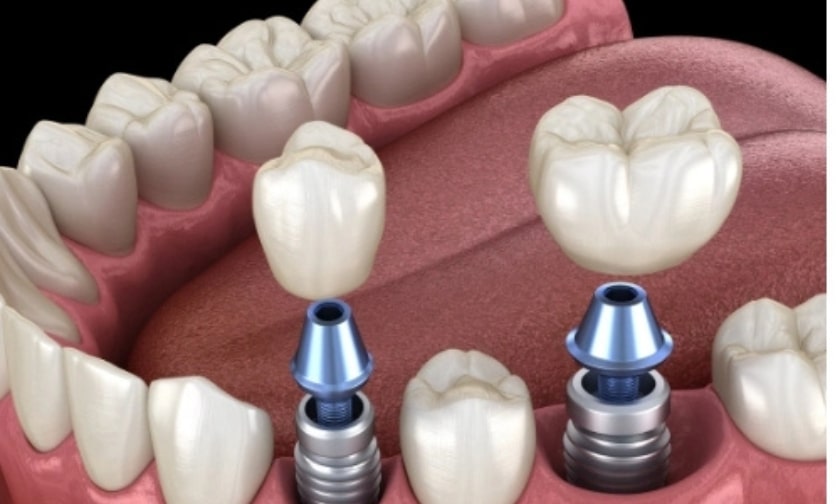
Smoking and vaping may seem like habits of the past, but they’re still holding strong in 2026, leaving a lasting impact on more than just our lungs. Increasingly, these habits are jeopardizing one of the most significant investments we can make in our health: dental implants. Dental implants are an incredible solution to restoring smiles, but they require a healthy foundation to succeed.
Unfortunately, both smoking and vaping interfere with the healing process, putting the long-term success of implants at risk. This blog will explore the science behind how these “clouds” can sink your dental implants, and why you must quit before making such an important dental decision.
The Rise of Smoking and Vaping in 2026
The landscape of smoking and vaping has evolved significantly over the years. In 2026, the use of electronic cigarettes continues to surge, particularly among younger generations. Vaping, often seen as a “healthier” alternative to traditional smoking, has expanded rapidly, with sleek, colorful devices that appeal to a wide audience.
Even in Prairie Village, where Monarch Dental Care serves the local community, vaping has become a common sight. However, the health risks associated with smoking and vaping are not as easily dismissed as the trends suggest.
Smoking has long been recognized as a major cause of oral health problems, including gum disease, tooth decay, and tooth loss. The rise of vaping has been touted as a safer alternative, but research now shows it carries its own set of risks.
While some argue that vaping doesn’t involve the tar and chemicals found in cigarettes, studies have shown that it still contributes to oral issues such as gum recession, dry mouth, and altered bacteria levels in the mouth. Even in the growing vaping culture of Prairie Village, the danger of oral health damage is becoming clearer.
Smoking and vaping also affect public health at large, contributing to chronic conditions like heart disease and lung cancer, while also complicating dental treatments, including implants. These habits continue to grow, even in the face of mounting awareness about their effects on overall health, including oral health. The rise of these habits in 2026 emphasizes why understanding their impact on dental implants is more important than ever before.
How Smoking and Vaping Affect Dental Implants
The impact of smoking and vaping on dental implants in Prairie Village is more profound than most people realize. Both habits slow down the healing process and increase the chances of implant failure.
- Impaired Healing: Nicotine, the primary active ingredient in both cigarettes and vapes, has a direct negative effect on blood flow. After implant surgery, healthy circulation is essential for the healing process.
Smoking and vaping constrict blood vessels, limiting the amount of oxygen and essential nutrients reaching the healing area, which is necessary for bone regeneration and tissue repair.
- Decreased Blood Flow: Healthy blood circulation is vital to the success of any surgical procedure, especially dental implants. Smoking and vaping reduce blood flow to the gums and jawbone, making it harder for implants to integrate with the surrounding bone.
Without proper blood flow, the bone fails to fuse with the implant, leading to potential failure. Prairie Village residents considering implants should be aware that adequate circulation is key to lasting results.
- Increased Risk of Infection: Smoking and vaping both introduce harmful chemicals into the mouth, creating an environment where bacteria thrive. This can lead to infections around the dental implant, a condition known as peri-implantitis.
Infection can cause gum inflammation and bone loss, ultimately leading to implant failure.
- Bone Loss and Gum Recession: Smoking and vaping accelerate bone loss and gum recession, both of which are crucial for maintaining the foundation for dental implants.
Over time, the gum tissue can recede, exposing the base of the implant, while the bone structure may weaken, compromising the implant’s stability.
At Monarch Dental Care in Prairie Village, we’ve seen firsthand the complications caused by smoking and vaping when it comes to implant success. Understanding the risks is the first step in ensuring your dental implants last for many years.
Why 2026 Is Critical for Dental Implant Success
As 2026 continues, dental technology is advancing at a rapid pace. Dental implants are becoming more precise and customizable, offering a higher success rate than ever before. However, even with these advancements, smoking and vaping remain significant threats to the long-term success of dental implants.
- Advancements in Implant Technology: In recent years, innovations such as 3D imaging and computer-guided surgery have allowed for more accurate placement of dental implants. These advancements make it easier to achieve a perfect fit and ensure a higher success rate for patients.
However, smoking and vaping can negate these technological improvements. The body’s inability to heal properly, caused by these habits, puts these technological benefits at risk.
- Changing Patient Expectations: In 2026, patients have higher expectations for their dental treatments. They are looking for long-lasting results and seamless healing. Smoking and vaping make it much harder to achieve these outcomes.
With many patients opting for dental implants to restore their smiles, it’s important to understand that success goes beyond just the procedure itself. Maintaining a healthy lifestyle plays a critical role in implant longevity.
For Prairie Village residents considering dental implants at Monarch Dental Care, understanding how habits like smoking and vaping can interfere with the latest technologies is essential in making an informed decision.
What You Can Do to Protect Your Dental Implants
There are proactive steps you can take to ensure the success of your dental implants and protect your investment in your smile.
- Stop Smoking and Vaping Before and After Surgery: The most important thing you can do to ensure the success of your dental implants in Prairie Village is to quit smoking and vaping.
Ideally, quit well in advance of your procedure and avoid both habits during your recovery period. At Monarch Dental Care, we recommend a smoking or vaping-free period both before and after your implant surgery to maximize the chances of successful healing.
- Alternatives to Smoking and Vaping: For those who find it difficult to quit smoking or vaping, consider healthier alternatives such as nicotine patches or oral substitutes.
Switching to alternatives will help reduce the impact on your oral health and may also reduce cravings, making it easier to quit altogether.
- Consult with Your Dentist: Before undergoing dental implant surgery, have an honest discussion with your dentist about your smoking and vaping habits. Monarch Dental Care in Prairie Village offers consultations to guide patients through the process, helping them understand the impact of their lifestyle choices and how to protect their oral health.
Taking these steps will give you the best chance at successful dental implants that last a lifetime.
In 2026, the impact of smoking and vaping on dental implants is clear. Despite advances in dental technology, these habits continue to hinder the healing process and put implants at risk. To ensure the longevity of your dental implants, it’s crucial to quit smoking and vaping, both before and after surgery.
At Monarch Dental Care, we’re here to guide you through every step of your implant journey, from consultation to post-surgery care. Commit to your oral health today, and enjoy a healthy, lasting smile for years to come.
Are you ready to take the next step in your dental implant journey? Schedule your consultation with Monarch Dental Care today!
What People Ask
How long should I stop smoking before getting dental implants?
It’s recommended to stop smoking at least 2 weeks before the procedure and avoid smoking during the healing process.
How long after dental implant surgery can I start smoking again?
It’s best to avoid smoking permanently, but if you must, wait at least 2 to 3 months after the procedure for proper healing.
Can vaping be less harmful than smoking for dental implants?
While vaping may seem like a safer alternative, it still carries risks such as reduced blood flow and infection, making it harmful to implants.
What are the signs of infection after a dental implant?
Symptoms include swelling, redness, pain around the implant site, or a bad taste in the mouth.
Are there any ways to reduce the risks of smoking and dental implants?
The best option is to quit smoking altogether. If that’s not possible, reduce smoking as much as possible and follow your dentist’s advice.