

Did you know that stress and teeth grinding could jeopardize the success of your implants? Many people don’t realize how closely related their mental health and dental health are. When stress takes a toll on your body, it can have significant effects on your oral health, especially when it comes to dental implants. Bruxism (teeth grinding) is often linked to stress, and both factors can negatively affect the healing and longevity of implants.
This blog will dive into the science behind how stress and teeth grinding impact dental implant success and offer tips on how you can manage these factors to ensure the best outcome for your oral health.
Understanding Stress and Teeth Grinding
What is Stress?
Stress is your body’s natural response to external pressures, but when it becomes chronic, it can wreak havoc on your overall health. It often leads to physical and emotional strain, which can manifest in ways you might not expect, such as poor oral health. Stress triggers the release of cortisol, a hormone that can suppress the immune system and hinder your body’s ability to heal.
In the context of dental implants, this can slow down the healing process, making it harder for the implants to properly integrate with your jawbone.
What is Teeth Grinding?
Teeth grinding, or bruxism, often occurs unconsciously, especially during sleep. It’s commonly triggered by stress, anxiety, or sleep disorders. When you grind your teeth, you put excessive pressure on the surfaces of your teeth and gums.
Over time, this can cause tooth damage, jaw pain, and, in some cases, can disrupt the success of dental implants in Prairie Village. Teeth grinding leads to the wearing down of enamel, putting unnecessary strain on the jaw muscles, which can increase the risk of implant failure.
Link Between Stress, Teeth Grinding, and Oral Health
The connection between stress, teeth grinding, and oral health is strong. Stress increases muscle tension in your body, including your jaw. This leads to teeth grinding, often unknowingly, during sleep. As a result, excessive force is exerted on these artificial tooth roots, which can cause them to loosen or fail.
Additionally, the physical effects of stress, such as poor sleep and clenching, can exacerbate the problem. Over time, this repetitive pressure can cause significant wear on your teeth and implants, decreasing their longevity and leading to complications.
How Stress Affects Dental Implant Healing
Impact on the Immune System
When you experience chronic stress, your body is constantly in a heightened state of alert. Stress suppresses your immune system’s ability to function optimally, which can delay healing.
After dental implant surgery, your immune system plays a critical role in preventing infection and promoting tissue regeneration around the implant site. Stress hampers your body’s ability to fight off infections, putting your implant healing process at risk.
Without a strong immune response, your body may not be able to support the implant as it integrates into the jawbone.
Increased Inflammation
Stress is a major contributor to inflammation throughout the body, including the gums and jaw. Inflammation impairs the healing process, making it harder for your body to properly accept the dental implant. Inflammation around the implant can result in complications like swelling, discomfort, and even infection.
For those healing from dental implant surgery, this heightened inflammation can significantly increase the risk of implant failure. Stress-induced inflammation hinders the body’s ability to heal at an optimal pace, leading to longer recovery times and potentially failing implants.
Hormonal Effects
When you’re under stress, your body produces cortisol, which is commonly known as the “stress hormone.” While cortisol helps the body cope with stress, an overload of it can interfere with your body’s natural healing mechanisms.
Cortisol can inhibit the production of collagen and other essential proteins needed for bone healing. This becomes especially problematic when recovering from dental implant surgery, as your body requires healthy bone tissue for the implant to fuse properly. High cortisol levels can also reduce the overall quality of bone regeneration, making it harder for the implant to integrate successfully.
How Teeth Grinding Affects Dental Implants
Pressure on the Implants
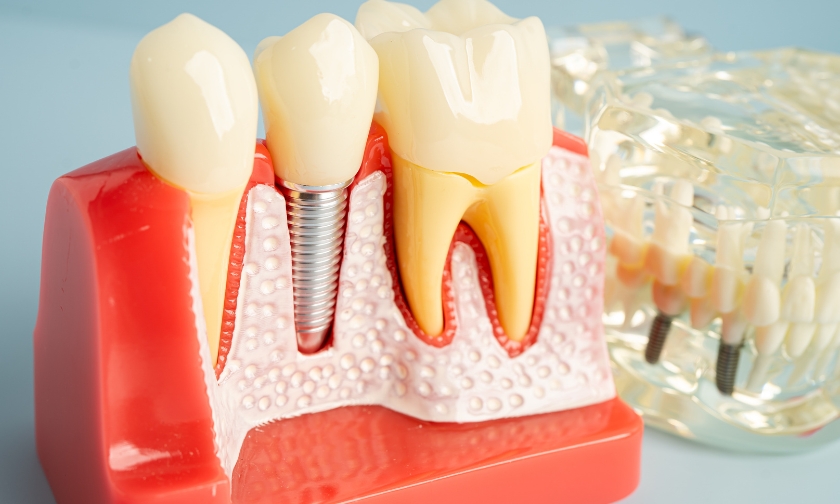
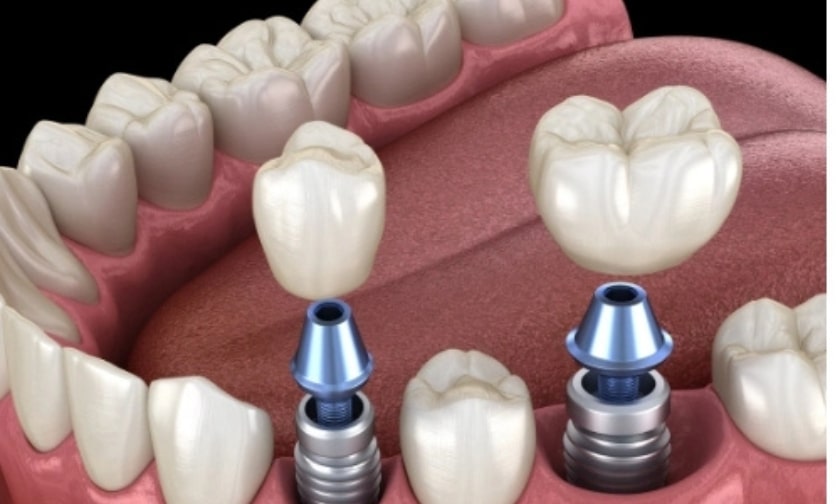
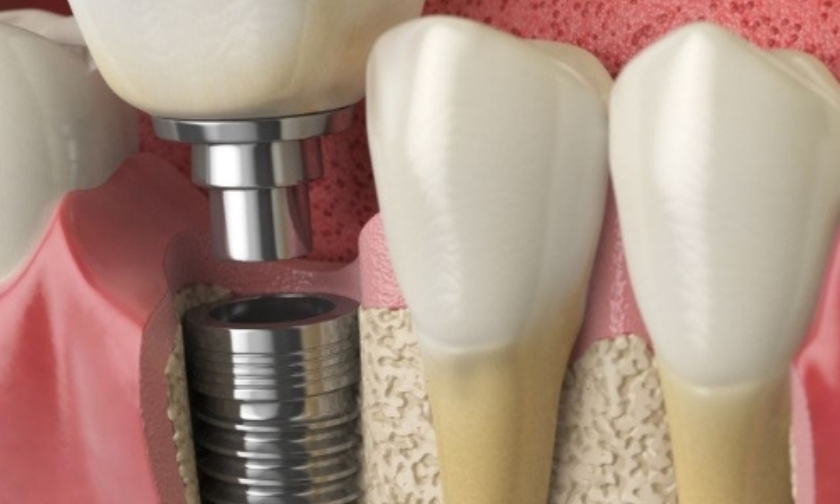
When you grind your teeth, you put intense pressure on your these artificial tooth roots. Unlike natural teeth, implants are not connected to the surrounding teeth in the same way. The forces created by grinding can cause the implant to become loose or shift in its position. This pressure can lead to implant failure, especially if the grinding occurs over a prolonged period.
If you’re under stress, it’s crucial to recognize the potential harm that unconscious teeth grinding can have on your dental implants.
Wear and Tear
Bruxism wears down tooth enamel, but it can also take a toll on your prosthetic teeth. Although dental implants are strong, they’re not impervious to damage. The excessive grinding force can cause the implant to become misaligned or even crack.
Additionally, grinding can wear down the surrounding teeth, leading to misalignment that affects the overall stability of your implants. Even the most durable implants can become compromised when subjected to constant grinding.
Long-Term Effects
Chronic teeth grinding, especially when linked to stress, can cause long-term damage to both your natural teeth and these artificial tooth roots. Over time, this repetitive motion wears down not only the teeth but also the jaw joint.
This strain increases the chances of implant failure and may require additional dental interventions. Protecting your implants from the long-term effects of bruxism is key to ensuring their success and longevity.
The Importance of Managing Stress and Bruxism for Implant Success
Impact on Implant Longevity
Managing stress and teeth grinding is crucial for ensuring the long-term success of your implants. Without controlling these factors, the risk of complications, including implant failure, becomes much higher.
Successful dental implants require a stable environment for healing and long-term function. By reducing stress and addressing bruxism, you can improve the chances that your dental implants in Prairie Village will last for many years, allowing you to enjoy a healthy, beautiful smile.
Mental Health and Oral Health Connection
Oral health and mental health are closely linked, especially when it comes to conditions like bruxism. By improving your mental health through stress management techniques, you can reduce the likelihood of grinding your teeth and negatively impacting your prosthetic teeth.
Addressing mental health issues can have a positive effect on your overall well-being and can directly benefit your oral health. By incorporating stress management into your daily routine, you can support both your dental health and emotional wellness.
Tips for Managing Stress and Bruxism
Stress-Reduction Techniques
There are many effective ways to manage stress, including practicing mindfulness, deep-breathing exercises, and regular physical activity. Meditation and yoga can help reduce tension and promote relaxation. Getting quality sleep is also essential for managing stress, as inadequate rest can make stress worse.
Night Guards
A night guard is an excellent solution for those who grind their teeth at night. Wearing a custom-fitted night guard can help protect your dental implants and natural teeth from the pressure caused by bruxism. A night guard creates a barrier between your upper and lower teeth, reducing the stress on your implants while you sleep.
Professional Help
If you’re struggling to manage stress or bruxism on your own, don’t hesitate to seek help. A therapist or counselor can assist in managing stress through therapeutic methods, while your dentist can offer solutions like night guards to protect your teeth and implants.
Lifestyle Changes
Incorporating a balanced diet, staying hydrated, and setting aside time for relaxation can also help manage stress. By maintaining a healthy lifestyle, you support both your mental and oral health. Regular checkups with your dentist, such as at Monarch Dental Care, can help monitor the health of your implants and catch any issues early.
Stress and teeth grinding can have significant effects on the success of your implants. By managing stress and bruxism, you can improve the chances of your implants healing properly and lasting for many years.
If you suspect that stress or bruxism is affecting your dental health, it’s important to consult with a professional. At Monarch Dental Care, we’re committed to ensuring your dental implants are a success. Schedule an appointment today to discuss how we can help you maintain a healthy smile and protect your investment in these artificial tooth roots.
What People Want to Know
How does stress affect dental implants?
Stress weakens the immune system, increases inflammation, and disrupts the healing process, potentially hindering implant success.
Can stress cause inflammation in the body?
Yes, chronic stress increases inflammation, which can slow down the healing of dental implants and cause complications.
How long does it take for dental implants to heal?
Healing usually takes 3 to 6 months, but stress and teeth grinding can prolong recovery times.
Can I still get dental implants if I grind my teeth?
Yes, but it’s important to manage bruxism with a night guard or other treatments to protect the implants.
Are there any long-term effects of untreated bruxism?
Yes, untreated bruxism can lead to worn teeth, jaw issues, and implant failure over time.