
Did you know that your post-surgery habits, like drinking alcohol, could affect the success of your dental implants? After undergoing a procedure as significant as dental implant surgery, ensuring proper healing is crucial for the success and longevity of your implants. While many patients focus on the immediate post-surgery care instructions, alcohol consumption is often overlooked as a potential factor that could impede healing.
In this blog, we’ll explore how alcohol can hinder the healing process and provide essential tips from Dr. Alex Clark to help you ensure the best possible outcome after your dental implant procedure. By following professional guidance, you can take the necessary steps to support a smooth recovery and set the foundation for long-lasting results.
Understanding the Healing Process
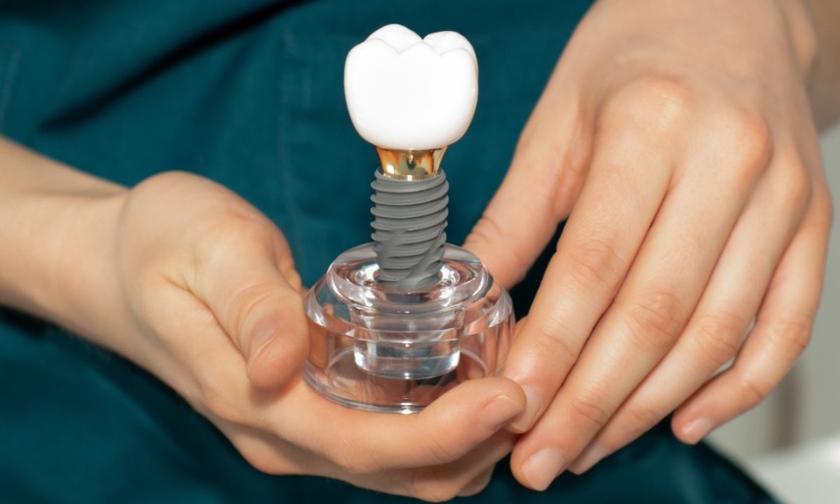
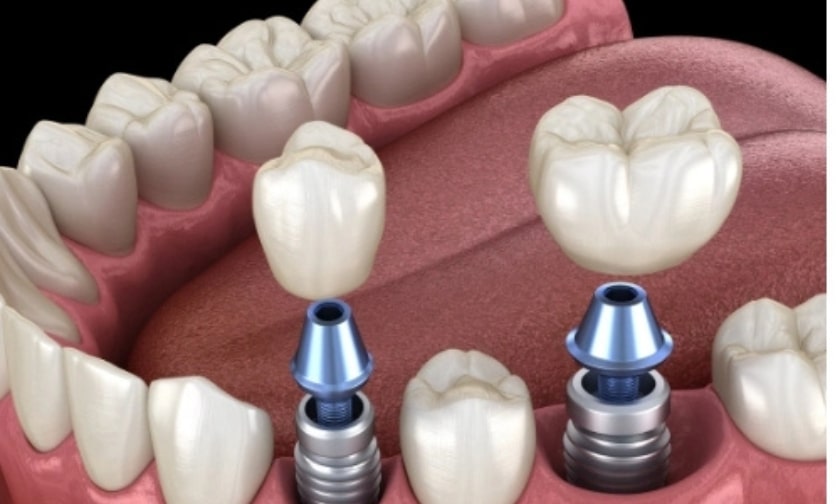
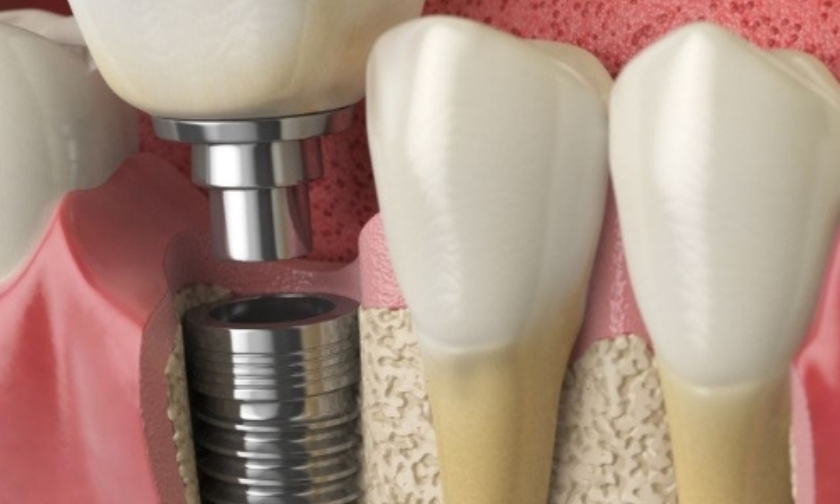
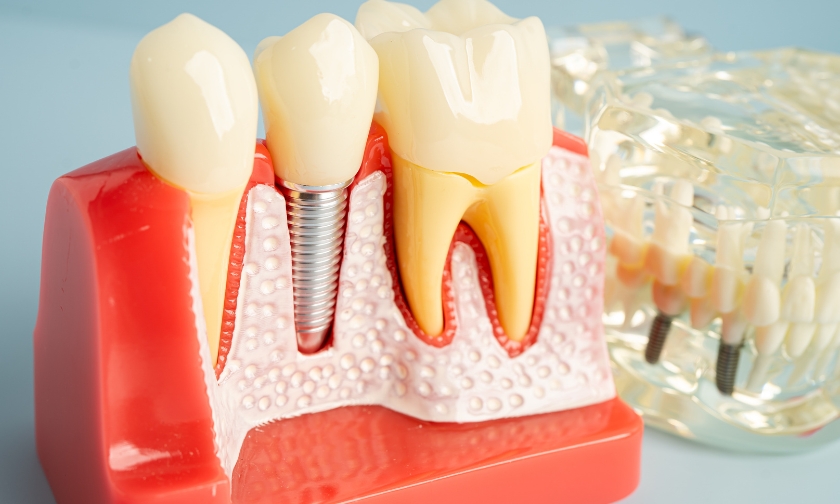
When you receive dental implants, a highly advanced procedure, the success of your treatment relies on a process called osseointegration. This is when the implant fuses with your jawbone, creating a strong and stable foundation for your replacement teeth. The healing process is complex, and many factors can influence how quickly and effectively your body heals.
The Role of the Body’s Healing Mechanisms:
After your dental implants are placed, your body begins the natural healing process. Immediately after surgery, your body works to seal the surgical site, reduce inflammation, and promote tissue regeneration. Over time, the bone around the implant will begin to fuse with the metal post, which can take anywhere from a few months to a year, depending on various factors like your overall health and lifestyle.
Factors that Affect Healing:
Several factors influence how well your body heals after implant surgery. Some of these are within your control, like nutrition, rest, and following your dentist’s aftercare instructions. Proper hydration and eating a balanced diet rich in vitamins and minerals can promote tissue regeneration and ensure that your body has the resources it needs to heal.
On the other hand, habits such as smoking, poor oral hygiene, and, of course, alcohol consumption can slow down healing. While alcohol may seem harmless in moderation, it can have significant consequences on your body’s ability to heal effectively. This is why it’s important to follow professional guidance when it comes to alcohol after dental implants in Prairie Village.
How Alcohol Affects Implant Healing
After dental implant surgery, your body is working hard to heal and integrate the implant into your jawbone. However, alcohol consumption can significantly hinder this process in several ways. Here’s a closer look at how alcohol can impact your recovery:
Dehydration:
One of the most common effects of alcohol is dehydration. Alcohol acts as a diuretic, which means it increases urine production, causing your body to lose more fluids than it takes in. This can lead to dehydration, which can slow down the healing process.
Proper hydration is essential for tissue regeneration, and dehydration can impair the body’s ability to repair the tissue around the implant site. Without adequate fluids, your body may struggle to flush out toxins, repair damaged tissues, and maintain optimal function of the cells responsible for healing.
This makes it crucial to avoid alcohol, particularly in the early stages of recovery, to ensure your body can heal effectively.
Impaired Blood Circulation:
Good blood circulation is critical for healing, as blood carries oxygen, nutrients, and essential growth factors to the affected areas. Alcohol can disrupt this process by constricting blood vessels and impairing circulation. When blood flow is reduced, the delivery of oxygen and nutrients to the surgical site slows down, which can delay healing and reduce the body’s ability to fight off infections.
Poor circulation also makes it harder for your body to form healthy tissue around the implant, which is necessary for osseointegration, the process by which the implant fuses with the jawbone. Inadequate blood flow could also lead to complications such as prolonged swelling or inflammation, further affecting the success of your implants.
Interference with Medications and Antibiotics:
After your dental implant surgery, your dentist will likely prescribe antibiotics to prevent infection, along with pain medications to manage discomfort. Alcohol can interfere with both of these medications. For example, alcohol can reduce the effectiveness of antibiotics, making it harder for your body to fight off potential infections. In some cases, combining alcohol with antibiotics can even lead to harmful side effects like nausea, dizziness, or liver damage.
Additionally, alcohol can intensify the sedative effects of pain medications, leading to increased drowsiness and other adverse reactions. To ensure your medications work effectively and to avoid negative interactions, it’s essential to abstain from alcohol during your recovery period.
Increased Risk of Infection:
Alcohol can weaken your immune system, which is vital for fighting infections. Since dental implants involve a surgical procedure, the area around the implant site is vulnerable to infection. When you drink alcohol, your immune system becomes less efficient at responding to potential threats like bacteria or pathogens.
A weakened immune response can make it more difficult for your body to ward off infections, which can ultimately result in complications and implant failure. As the healing process requires the body’s natural defenses to be fully operational, avoiding alcohol is a simple way to support your immune system and reduce the risk of infection after dental implant surgery.
Dr. Alex Clark’s Tips for Optimal Implant Healing
To ensure the best possible outcome for your dental implants in Prairie Village, Dr. Alex Clark advises a few essential tips that support healing and help you avoid complications during the recovery period.
Abstaining from Alcohol Post-Surgery:
The most important advice Dr. Clark provides is to avoid alcohol entirely in the first few weeks after surgery. This is when your body is actively working to heal the implant site, and consuming alcohol during this period can interfere with the healing process.
Dr. Clark recommends refraining from drinking alcohol for at least two to four weeks post-surgery to give your body the best chance to heal properly.
Hydration and Nutrition:
Dr. Clark emphasizes the importance of staying hydrated and eating a balanced diet during the recovery phase. Drinking plenty of water will help maintain hydration, support healthy saliva production, and prevent the negative effects of alcohol-related dehydration.
Eating a diet rich in vitamins, particularly vitamin C and calcium, will also help accelerate the healing process and promote strong bone regeneration.
Follow-Up Care:
Attending regular follow-up appointments with your dentist is essential to track the progress of your healing and ensure that your implants are properly integrating with the bone. These visits also allow your dentist to monitor for any signs of infection or complications early on.
Maintaining good oral hygiene and following your dentist’s aftercare instructions will also help keep your mouth healthy and free from bacteria that could slow down healing.
Alternative Ways to Manage Post-Surgery Stress and Anxiety
Recovering from dental implant surgery can be stressful, especially when you’re faced with restrictions on certain activities like drinking alcohol. However, there are plenty of healthy, non-alcoholic ways to manage stress and anxiety during your recovery. Dr. Clark recommends several relaxation techniques that can help you stay calm and focused throughout the healing process:
Meditation and Mindfulness: Practicing meditation or mindfulness can help you relax and reduce stress. These techniques allow you to focus on the present moment and alleviate anxiety related to the recovery process.
Gentle Exercise: Light physical activity, such as walking or stretching, can help reduce stress while promoting overall health. Just be sure to avoid vigorous exercise that could strain your body and interfere with healing.
Relaxation Techniques: Deep breathing exercises or listening to calming music can help you unwind after a long day and improve your overall mood during recovery.
Alcohol may seem harmless, but during the critical healing period following dental implant surgery, it can hinder the recovery process and increase the risk of complications. By following Dr. Alex Clark’s expert advice, including avoiding alcohol, staying hydrated, eating a balanced diet, and attending follow-up appointments, you can maximize your chances of successful implant integration.
At Monarch Dental Care, we’re committed to ensuring that your dental implant procedure goes smoothly and that you enjoy a lifetime of healthy smiles. If you have any questions or concerns about your recovery or the impact of alcohol on your healing, don’t hesitate to reach out. Contact us today to schedule a consultation and take the first step toward a brighter, healthier smile!
Frequently Asked Questions
What happens if I drink alcohol too soon after dental implant surgery?
Drinking alcohol too soon can delay healing, increase the risk of infection, and interfere with medications prescribed after surgery.
How long should I wait to drink alcohol after dental implant surgery?
Dr. Alex Clark recommends waiting at least two to four weeks post-surgery before consuming alcohol to avoid hindering the healing process.
How does alcohol impact my body’s ability to heal?
Alcohol dehydrates the body and impairs circulation, both of which are necessary for delivering nutrients and oxygen to the surgical site for optimal healing.
Can alcohol interfere with the osseointegration process of dental implants?
Yes, alcohol can impair blood flow, which affects the osseointegration process, slowing down the fusion of the implant with your jawbone.
What are the signs that my implant is not healing properly?
Signs of poor healing include pain, swelling, infection, or the implant feeling loose. If you experience any of these, contact your dentist immediately.