
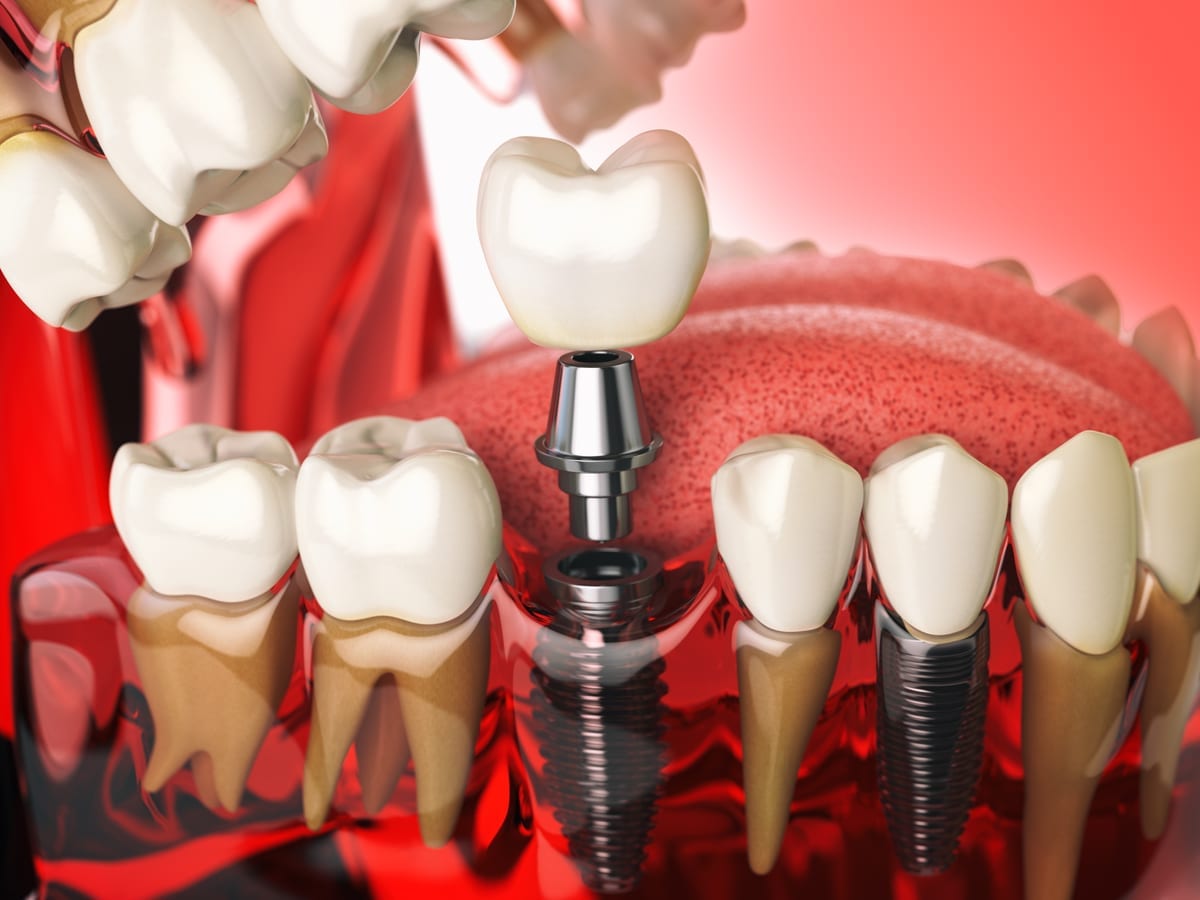
Getting dental implants is a life-changing decision. Once your procedure is done, recovery becomes your most important job. Knowing what to eat after dental implants is a key part of your complete recovery guide, especially for Prairie Village patients healing at home. Dr. Alex Clark and the team at Monarch Dental Care Prairie Village KS are here to walk you through every step.
Recovery does not have to be stressful. With the right food choices and care routine, most patients heal smoothly and comfortably. This guide covers everything you need to know from day one through long-term maintenance.
What to Eat After Dental Implants: Week-by-Week Food Guide
Your diet plays a huge role in how quickly and safely you heal. In the first 24 to 48 hours, stick to cold, soft foods only. Think yogurt, applesauce, smoothies, and cold soup. These options soothe swelling and put zero pressure on your implant site.
During days three through seven, you can slowly introduce lukewarm soft foods. Mashed potatoes, scrambled eggs, oatmeal, and soft fish are all great choices. Avoid anything crunchy, chewy, or extremely hot during this phase.
By the second week, many patients tolerate a wider variety of soft foods. You may add cooked vegetables, soft pasta, and tender meats. Listen to your body and never push through discomfort while eating.
- Week 1: Cold yogurt, smoothies, applesauce, mashed potatoes, scrambled eggs
- Week 2: Soft pasta, cooked vegetables, tender fish, soft bread
- Week 3–4: Gradually reintroduce firmer foods as tolerated
- Avoid always: Popcorn, chips, hard candy, ice cubes, sticky caramel
Always avoid using a straw during the first week. Suction can disturb the healing tissue around your implant. Staying hydrated with plain water is always safe and encouraged.
Managing Pain and Swelling During Implant Recovery in Prairie Village
Some discomfort after dental implant surgery is completely normal. Most patients experience mild to moderate soreness for the first three to five days. Over-the-counter pain relievers like ibuprofen can help reduce both pain and inflammation effectively.
Apply a cold pack to your cheek in 20-minute intervals during the first 24 hours. This significantly reduces swelling and helps you stay more comfortable. After the first day, switch to warm compresses if swelling persists.
Dr. Alex Clark may prescribe a mouth rinse or antibiotic to prevent infection. Follow all post-operative instructions exactly as provided. Never skip doses or stop medication early without consulting our Prairie Village team first.
- Use ice packs during the first 24 hours to reduce swelling
- Take prescribed or recommended pain medication on schedule
- Avoid smoking, which dramatically slows healing
- Sleep with your head slightly elevated the first two nights
- Contact our office immediately if pain suddenly worsens after day five
Mild bleeding on the first day is also normal. Bite gently on gauze and replace it as needed. If heavy bleeding continues beyond two hours, call Monarch Dental Care Prairie Village KS right away.
Long-Term Care Tips to Protect Your Dental Implant
Once you have healed, your implant still needs consistent daily care. Brush twice daily using a soft-bristled toothbrush and non-abrasive toothpaste. Floss around the implant daily using implant-specific floss or a water flosser for best results.
Regular professional cleanings are essential for implant longevity. Dr. Alex Clark recommends visiting Monarch Dental Care Prairie Village KS every six months. Routine exams allow the team to monitor bone health and the implant’s stability over time.
Avoid habits that put excessive force on your implant. Grinding your teeth, chewing ice, or biting fingernails can damage the crown on top. If you grind at night, ask about a custom night guard to protect your investment.
Your implant is designed to last decades with proper care. Treat it just like a natural tooth, but stay alert for any unusual changes. Sensitivity, mobility, or gum changes around the implant should always be evaluated promptly.
When to Call Dr. Alex Clark After Your Implant Procedure
Most patients recover without complications. However, knowing the warning signs is important for your safety. Contact our Prairie Village office right away if you notice any of the following symptoms.
Persistent fever above 101°F may indicate an infection that needs attention. Sudden severe pain that starts after day five is also a red flag. Numbness that does not fade within a day or two should also be reported immediately.
Other procedures sometimes pair with implant treatment in complex cases. For example, patients who have had past tooth infections may need Root Canal Therapy before implant placement is possible. Your implant may also be topped with a custom restoration, which is why Dental Crowns are a closely related and commonly paired service.
Do not hesitate to call even if you are unsure whether something is normal. Our team would always rather reassure you than have a minor issue turn into a bigger problem. We are committed to supporting Prairie Village patients through every stage of recovery.
Conclusion: Your Recovery Starts With the Right Support
Dental implant recovery is very manageable when you know what to expect. Eating the right foods, managing discomfort early, and following your care instructions makes a significant difference. Dr. Alex Clark and the entire Monarch Dental Care Prairie Village KS team are dedicated to helping you heal well and enjoy your new smile for years to come. Book Now to schedule your appointment with our team.
Frequently Asked Questions
How long does it take to recover from dental implants?
Most patients feel significantly better within one to two weeks after implant surgery. Full bone integration, called osseointegration, takes three to six months. During that time you can live and eat normally, with some dietary caution in the early weeks.
Can I drink coffee after getting dental implants?
You should avoid hot coffee for the first 24 to 48 hours after surgery. Heat can increase bleeding and slow initial healing. After the first two days, lukewarm coffee is generally fine, but avoid adding very hot liquids until soreness has resolved.
Is it normal to have swelling after dental implant surgery?
Yes, swelling is a completely normal part of the healing process. It typically peaks around 48 to 72 hours after the procedure and then gradually subsides. Using ice packs and keeping your head elevated can help minimize swelling during recovery.
When can I eat solid foods after dental implants?
Most patients can return to a near-normal diet within two to four weeks. The exact timeline depends on your healing progress and Dr. Clark’s specific recommendations. Always reintroduce firmer foods gradually and stop if you feel any pain or pressure at the implant site.
What foods should I completely avoid after dental implant surgery?
Avoid hard, crunchy, and sticky foods for at least the first four to six weeks. Popcorn, chips, hard candy, sticky caramel, and raw crunchy vegetables are the most common problem foods. These can disturb the healing site and potentially damage the implant before it fully integrates.