
If you’ve recently had dental implants placed — or you’re planning to — understanding your dental implant recovery timeline is essential. Knowing what to expect after surgery in Leawood helps you feel confident and prepared. At Monarch Dental Care Prairie Village KS, Dr. Alex Clark guides every patient through each phase of healing. This article walks you through the full process, from day one to long-term success.
The First 72 Hours: What Happens Right After Surgery
The first three days after implant surgery are the most critical. Your body immediately begins healing around the implant site. Swelling, mild bleeding, and discomfort are all completely normal during this window.
You may notice bruising on your cheeks or jaw. This is a standard response to the procedure. Most patients find that symptoms peak around day two and then gradually improve.
To manage discomfort, Dr. Alex Clark typically recommends over-the-counter pain relievers. Applying a cold pack to your face in 20-minute intervals also reduces swelling effectively. Rest as much as possible during these first few days.
- Keep your head elevated, even while sleeping
- Avoid rinsing vigorously for the first 24 hours
- Do not use straws — suction can disturb the healing site
- Stick to cold or room-temperature foods and drinks
- Skip smoking and alcohol entirely during early healing
Week One to Two: Dental Implant Recovery Timeline in Leawood
By the end of the first week, most patients in Leawood notice a significant improvement. Swelling should start subsiding, and eating soft foods becomes more comfortable. This phase is all about protecting the implant and keeping the area clean.
Gentle saltwater rinses are encouraged starting around day two or three. These rinses help keep the surgical site free of bacteria. Use warm water with a half teaspoon of salt, rinsing softly after meals.
Soft foods remain your best friend during this stage. Think scrambled eggs, mashed potatoes, yogurt, and smoothies. Avoid anything crunchy, chewy, or hard that could put pressure on the implant.
- Scrambled eggs and soft omelets
- Mashed vegetables and soups
- Oatmeal, yogurt, and pudding
- Smoothies without a straw
- Soft fish or ground meat dishes
Your follow-up visit with Dr. Alex Clark usually happens around the one-week mark. This appointment lets the team check your healing progress. It’s also the perfect time to ask questions about what you’re experiencing.
Weeks Three Through Twelve: Osseointegration and Bone Healing
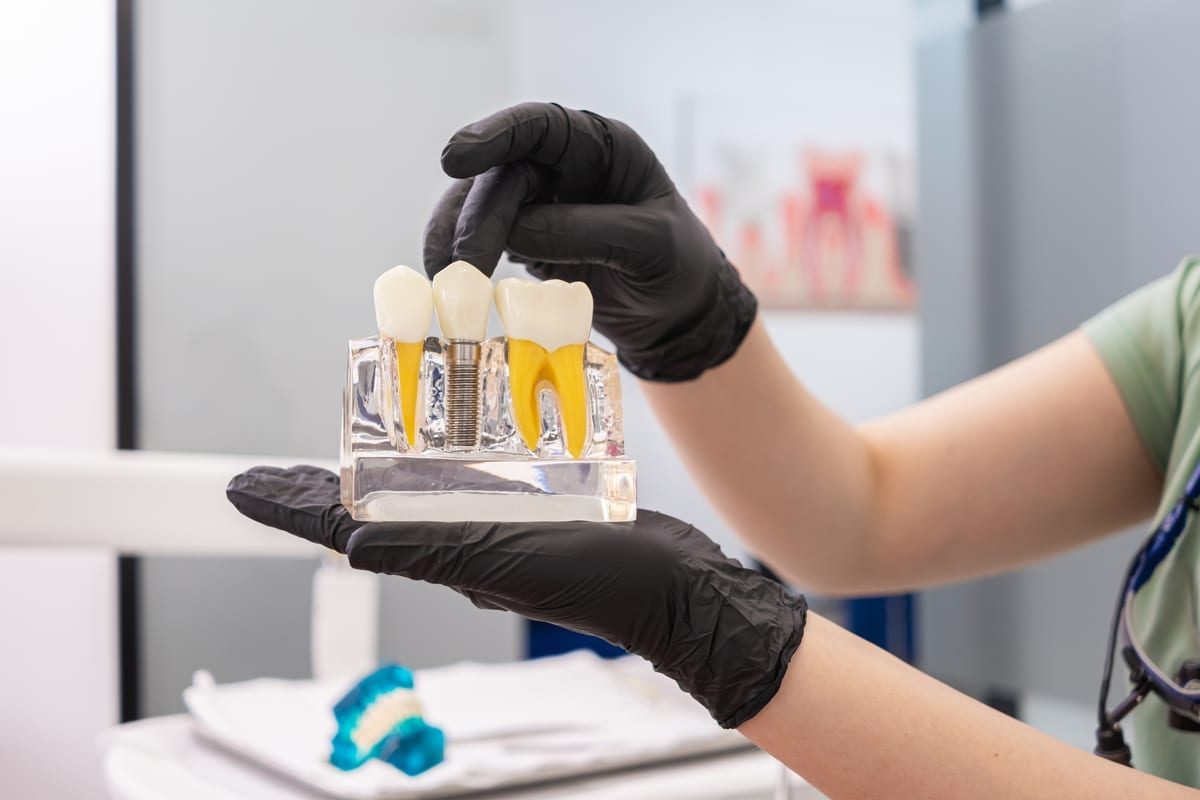
The next phase of recovery is called osseointegration. This is the process where the implant post fuses with your jawbone. It is what makes dental implants so remarkably stable and long-lasting.
This phase takes roughly three to six months, depending on the patient. Factors like bone density, overall health, and lifestyle habits all play a role. Patients in Leawood who follow post-surgical guidelines consistently heal faster.
During this period, you can gradually reintroduce more foods. Start with semi-soft options before returning to a full diet. Avoid placing excessive chewing pressure on the implant side of your mouth.
It’s also worth noting that dental implants sometimes work alongside other restorative treatments. For example, if a tooth needed removal due to infection, you may have also received Root Canal Therapy beforehand. Coordinating your care with Dr. Clark ensures each treatment supports the next.
The Final Restoration: Placing Your Dental Crown
Once osseointegration is complete, Dr. Alex Clark places the final restoration on top of the implant. In most cases, this means attaching a custom-made Dental Crowns that matches your natural teeth. This step completes your smile and restores full function.
The crown placement appointment is typically straightforward. There’s minimal discomfort involved since the implant is already fully integrated. Your bite is carefully checked and adjusted to ensure perfect alignment.
After this appointment, your implant looks, feels, and functions just like a real tooth. You can eat, speak, and smile with complete confidence. Most patients in Leawood say the result far exceeds their expectations.
Long-Term Care: Protecting Your Investment
Dental implants are designed to last a lifetime with proper care. That said, they still require consistent maintenance to stay healthy. Building good oral hygiene habits is the most important thing you can do.
Brush twice daily with a soft-bristled toothbrush. Floss around the implant daily using implant-specific floss or a water flosser. These habits prevent plaque buildup that could affect the surrounding gum tissue.
Regular professional cleanings at Monarch Dental Care Prairie Village KS are equally important. Dr. Alex Clark recommends visits every six months for most patients. These appointments allow the team to monitor implant health and catch any concerns early.
Avoid habits that can damage your implants over time. Grinding teeth, chewing ice, or using your teeth as tools can all compromise your restoration. If you grind at night, ask Dr. Clark about a custom nightguard for protection.
Conclusion: You’re in Good Hands in Leawood
Understanding your dental implant recovery timeline gives you peace of mind and sets you up for success. From the first 72 hours through final crown placement, each stage has a clear purpose. Dr. Alex Clark and the team at Monarch Dental Care Prairie Village KS are here to support you every step of the way.
Patients across Leawood trust our practice because we prioritize education, comfort, and long-term results. You deserve a smile that lasts a lifetime — and with the right care, it absolutely can. Book Now to schedule your appointment with our team.
Frequently Asked Questions
How long does dental implant recovery take in total?
Full recovery, including osseointegration, typically takes three to six months. The first one to two weeks involve the most noticeable discomfort and swelling. After that, healing continues more quietly as the implant bonds with the jawbone.
Is dental implant surgery painful?
Most patients experience mild to moderate discomfort for the first few days after surgery. Dr. Alex Clark uses local anesthesia during the procedure to minimize pain. Post-surgery discomfort is typically manageable with over-the-counter pain relievers and cold compresses.
What foods should I avoid after dental implant surgery?
Avoid hard, crunchy, or chewy foods during the early recovery phase. Foods like chips, nuts, crusty bread, and tough meats can put too much pressure on the healing site. Stick to soft options like soups, yogurt, eggs, and mashed vegetables for the first one to two weeks.
Can I brush my teeth after implant surgery?
Yes, but with care. Gently brush your other teeth as normal, but avoid directly scrubbing the surgical site for the first few days. Use a soft-bristled toothbrush and gentle saltwater rinses to keep the area clean without irritating it.
When can I return to normal activities after getting dental implants?
Most patients return to light daily activities within two to three days after surgery. Strenuous exercise should be avoided for at least one week to prevent increased bleeding or swelling. Dr. Clark will give you personalized guidance based on how your healing progresses.