
If you’ve recently had dental implants placed — or you’re planning to — understanding your dental implant recovery timeline week by week in Overland Park can make the entire process far less stressful. Knowing what’s normal helps you heal with confidence. At Monarch Dental Care Prairie Village KS, Dr. Alex Clark guides every patient through each stage of recovery. This article breaks down exactly what to expect so you’re never caught off guard.
The First 48 Hours: Managing Swelling and Discomfort
The first two days after implant surgery are typically the most uncomfortable. Swelling, mild bleeding, and soreness around the implant site are completely normal. Your body is beginning the healing process, and these symptoms are signs it’s working.
Here’s what you should do during this initial phase:
- Apply an ice pack to your cheek in 20-minute intervals to reduce swelling.
- Take any prescribed or over-the-counter pain medication as directed.
- Avoid rinsing your mouth vigorously for the first 24 hours.
- Rest as much as possible and avoid strenuous physical activity.
- Sleep with your head elevated to minimize swelling overnight.
Stick to soft, cool foods like yogurt, applesauce, and smoothies. Avoid hot beverages and anything that requires heavy chewing. This is not the week for steak or crunchy snacks.
Week One Recovery: What to Eat and What to Avoid in Overland Park
By days three through seven, swelling should begin to decrease. Most patients notice a significant improvement in comfort by day four or five. Some bruising may appear on the cheek or jaw — this is normal and will fade.
Your diet during week one plays a huge role in your recovery success. Focus on soft, nutritious foods that won’t disturb the implant site. Good options include:
- Mashed potatoes and soft-cooked vegetables
- Scrambled eggs and soft cheeses
- Oatmeal, soups, and broths
- Ripe bananas and soft fruits
- Protein shakes or nutritional smoothies
Avoid crunchy, spicy, or extremely hot foods. Do not use a straw — the suction can disrupt the healing tissue. Also avoid smoking, as it significantly slows the osseointegration process where bone fuses with the implant.
Gentle oral hygiene is important during this week. Rinse softly with a warm saltwater solution after meals. Brush around the implant site carefully with a soft-bristled toothbrush.
Weeks Two Through Four: Osseointegration Begins
This phase is less about discomfort and more about patience. Most visible symptoms — swelling, soreness, and bruising — should be nearly gone by the end of week two. However, the most critical healing is happening beneath the surface.
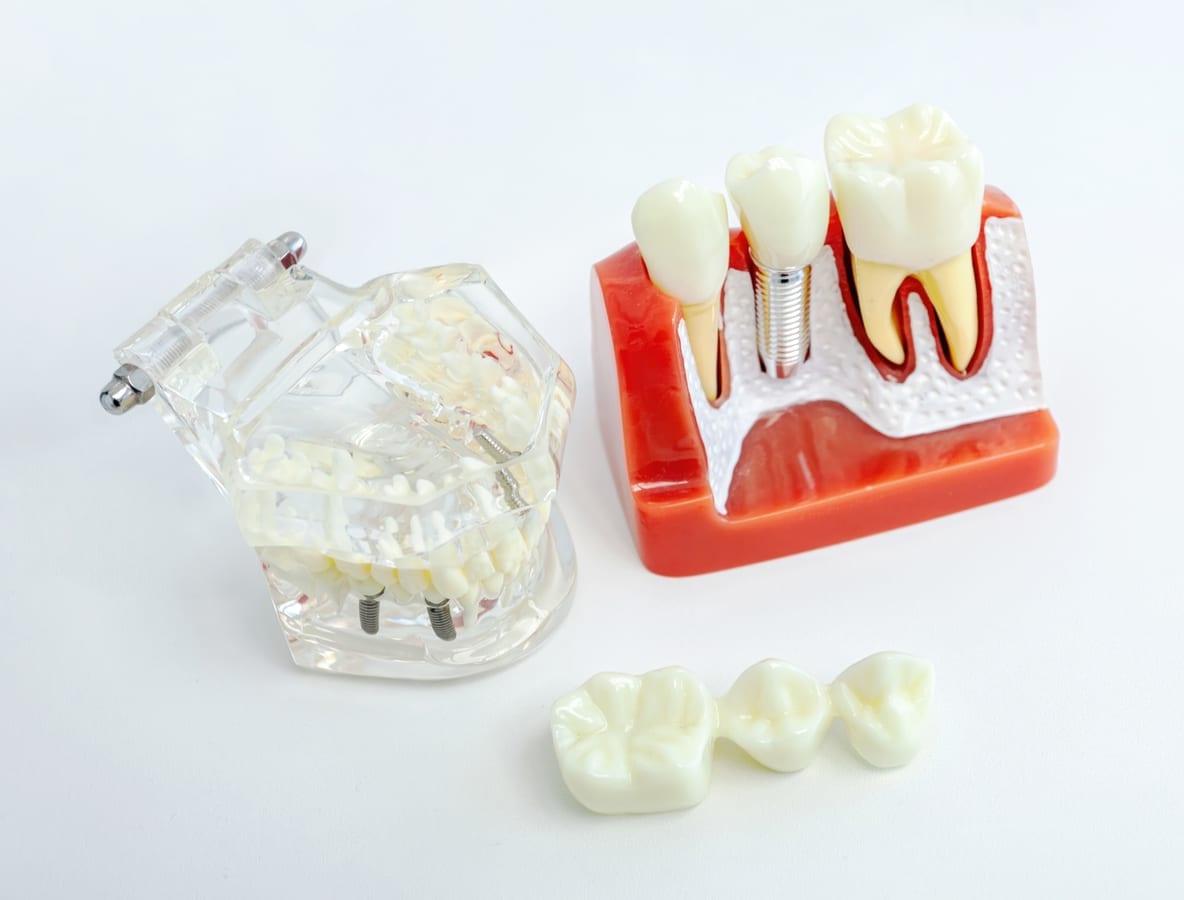
Osseointegration is the process where your jawbone gradually bonds with the titanium implant post. This process takes several months to complete. It’s what gives dental implants their remarkable stability and longevity.
During weeks two through four, you can gradually reintroduce firmer foods. Avoid anything that puts direct pressure on the implant site. Continue excellent oral hygiene practices every day without exception.
You may also notice some minor sensitivity or a feeling of pressure near the implant. This is normal as bone remodeling continues. If you experience sharp pain, prolonged bleeding, or a fever, contact Dr. Alex Clark right away.
Months Two Through Six: Long-Term Healing and Follow-Up Care
Full osseointegration typically takes three to six months. During this period, your follow-up appointments at Monarch Dental Care Prairie Village KS are essential. Dr. Clark will monitor the implant’s integration using X-rays and clinical exams.
Once osseointegration is confirmed, the abutment and final crown are placed. Dental Crowns are custom-made to match your natural teeth in color, shape, and size. The result is a restoration that looks and functions just like a real tooth.
During the long-term healing phase, keep these habits consistent:
- Brush twice daily with a soft-bristled brush and non-abrasive toothpaste.
- Floss daily, using implant-specific floss or an interdental brush.
- Attend all scheduled follow-up appointments without skipping them.
- Avoid grinding your teeth — ask Dr. Clark about a night guard if needed.
- Stay hydrated and maintain a balanced, nutrient-rich diet.
Your implant is designed to last decades with proper care. Treating it like a natural tooth — with daily hygiene and regular professional cleanings — is the best investment you can make.
When to Call Your Dentist: Warning Signs During Recovery
Most implant recoveries go smoothly, but it’s important to recognize warning signs. Early intervention can prevent minor issues from becoming serious complications.
Contact Dr. Alex Clark immediately if you experience any of the following:
- Severe or worsening pain after the first week
- Persistent swelling that doesn’t improve after 72 hours
- Fever above 101°F or chills
- Implant site feels loose or shifts position
- Pus, unusual discharge, or foul odor from the site
Patients dealing with pre-existing dental concerns should also communicate openly with Dr. Clark. For example, if a tooth adjacent to your implant has been causing sensitivity, it may warrant Root Canal Therapy to prevent complications. Comprehensive care ensures your entire smile heals properly together.
Tips for a Smooth Dental Implant Recovery in Overland Park
Recovery goes smoothly when patients are proactive and informed. A few simple habits can dramatically improve your healing experience and long-term outcomes.
First, stay consistent with your oral hygiene routine from day one. Second, never skip a follow-up appointment — Dr. Clark needs to verify that healing is progressing correctly. Third, eat a diet rich in calcium and vitamin D to support bone health during osseointegration.
If you live in or around Overland Park, KS, you have convenient access to a caring, experienced dental team. Monarch Dental Care Prairie Village KS is committed to supporting you at every stage of your implant journey. Your dental implant recovery timeline week by week in Overland Park doesn’t have to be overwhelming — with the right guidance, it can feel completely manageable.
Ready to take the next step toward a complete, confident smile? Book Now to schedule your appointment with our team.
Frequently Asked Questions
How long does dental implant recovery take in total?
Most patients complete the full recovery process — including osseointegration — within three to six months. The first week involves the most noticeable discomfort. After that, healing becomes gradual and largely symptom-free as the bone bonds with the implant post.
What foods should I avoid during the first week after implant surgery?
Avoid hard, crunchy, spicy, and extremely hot foods during the first week. Also skip using straws, as the suction can interfere with healing tissue. Focus on soft options like yogurt, mashed potatoes, scrambled eggs, and smoothies until your dentist clears you for a regular diet.
Is it normal to experience swelling after dental implant placement?
Yes, swelling is a completely normal and expected part of the healing process. It typically peaks around 48 to 72 hours after surgery, then gradually subsides. Applying ice packs to your cheek during the first day helps reduce swelling significantly.
Can I brush my teeth after getting a dental implant?
Yes, but you must brush carefully. Use a soft-bristled toothbrush and avoid direct pressure on the implant site during the first week. Gentle saltwater rinses after meals help keep the area clean without disturbing the healing tissue. Your dentist will give specific instructions tailored to your case.
What happens if my dental implant doesn’t integrate properly?
If osseointegration fails, the implant may feel loose or painful. This is uncommon but can occur in patients who smoke, have uncontrolled diabetes, or skip follow-up care. Dr. Alex Clark closely monitors healing at every appointment to catch any issues early and address them promptly.