
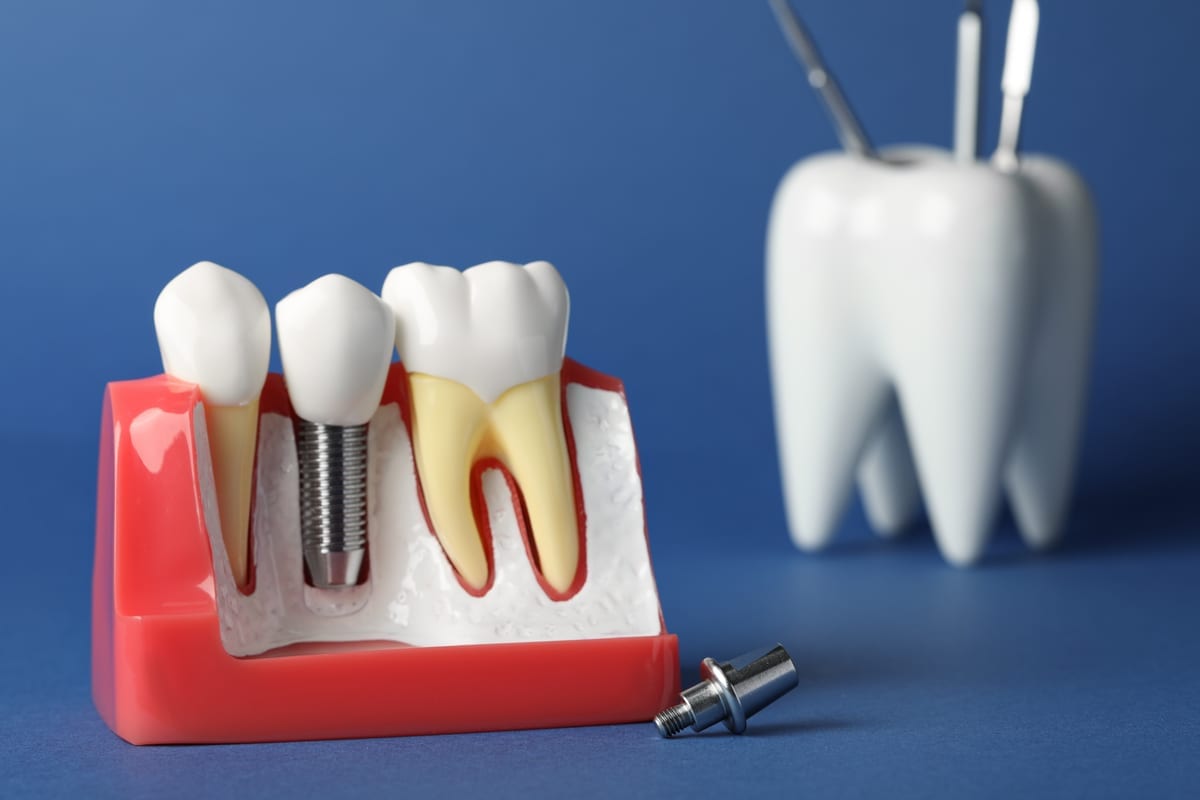
If you’re planning dental implant surgery in Prairie Village, knowing what to expect after dental implant surgery can ease a lot of anxiety. Your recovery timeline in Prairie Village depends on several personal factors. However, most patients follow a predictable healing path. Dr. Alex Clark and the team at Monarch Dental Care Prairie Village KS are here to walk you through every stage.
Understanding the recovery process helps you prepare properly. You’ll know what’s normal, what to eat, and when to call your dentist. This guide covers everything you need to feel confident heading into your procedure.
Your Dental Implant Recovery Timeline: Week by Week
Recovery after dental implant surgery happens in distinct phases. Each phase brings different sensations and milestones. Most patients feel a noticeable improvement with each passing week.
Days 1–3 are typically the most uncomfortable. Swelling, mild bleeding, and soreness are completely normal during this window. Your body is actively responding to the surgical site.
Days 4–7 bring gradual improvement for most patients. Swelling begins to subside noticeably. Many people return to light work or daily routines by day five or six.
Weeks 2–4 mark the transition into early healing. Discomfort fades significantly during this period. The implant begins integrating with your jawbone in a process called osseointegration.
Months 2–6 complete the osseointegration phase. This is when the implant fuses fully with the bone. Once healed, your dentist places the final crown to complete your smile.
Managing Pain and Swelling After Implant Surgery in Prairie Village
Pain management is a top concern for most implant patients. Dr. Alex Clark typically recommends over-the-counter anti-inflammatories like ibuprofen. These reduce both pain and swelling effectively during the first few days.
Here are practical tips for managing discomfort at home:
- Apply an ice pack to your cheek in 20-minute intervals during the first 24 hours
- Keep your head elevated, even while sleeping, to reduce swelling
- Take prescribed or recommended medications exactly as directed
- Avoid touching or probing the surgical site with your tongue
- Rest as much as possible on the first day after surgery
Avoid aspirin during the early recovery period. It can thin your blood and slow clotting. If pain suddenly worsens after day three, contact Monarch Dental Care right away.
Some patients also require Root Canal Therapy on nearby teeth before or alongside implant placement. Your care team will identify any such needs during your consultation.
What to Eat During Your Implant Recovery
Your diet plays a huge role in how quickly you heal. Eating the wrong foods can disturb the surgical site. Sticking to soft, nutrient-rich options speeds up recovery significantly.
During the first week, focus on foods that require little to no chewing. Your goal is to nourish your body without putting pressure on the implant site.
Foods to enjoy during recovery:
- Smoothies and protein shakes (no straws for the first 48 hours)
- Mashed potatoes, mashed sweet potatoes, and soft squash
- Scrambled eggs and soft-cooked oatmeal
- Greek yogurt and cottage cheese
- Broth-based soups at a lukewarm temperature
- Soft fish like tilapia or salmon
Foods to avoid entirely:
- Hard, crunchy foods like chips, nuts, or raw carrots
- Sticky candies or chewy foods that pull at the gum tissue
- Extremely hot foods or beverages that may irritate the site
- Alcohol, which can interfere with healing and some medications
By week two, most patients can slowly reintroduce softer regular foods. Always follow the specific guidance Dr. Clark provides after your procedure.
Long-Term Care for Your Dental Implants
Dental implants are designed to last a lifetime with proper care. However, they still require consistent attention and maintenance. Treating your implant like a natural tooth is the best approach.
Daily brushing and flossing remain essential after implant placement. Use a soft-bristled toothbrush and non-abrasive toothpaste. Floss carefully around the implant crown to prevent gum inflammation.
Your implant may be topped with a Dental Crowns restoration that also needs regular attention. Crowns can chip or wear over time without proper care. Routine checkups allow Dr. Clark to catch and address any early issues.
Professional cleanings at Monarch Dental Care Prairie Village KS are essential every six months. Your hygienist will clean areas that are difficult to reach at home. These visits also let your dentist monitor the implant’s stability over time.
Avoid habits that can compromise your implant long-term. Grinding your teeth, chewing ice, or using your teeth as tools can all cause damage. A custom night guard may be recommended if you grind while sleeping.
Signs You Should Contact Your Dentist During Recovery
Most implant recoveries proceed smoothly without major complications. However, knowing the warning signs helps you act quickly when needed. Early intervention prevents small issues from becoming serious problems.
Contact Dr. Alex Clark promptly if you notice any of the following:
- Severe or worsening pain after the third day of recovery
- Fever above 101°F that doesn’t resolve with medication
- Heavy or persistent bleeding beyond the first 24 hours
- The implant feeling loose or shifting in any way
- Unusual discharge, bad taste, or signs of infection at the site
These symptoms are uncommon, but they do require professional attention. Don’t wait and hope they resolve on their own. The team at Monarch Dental Care Prairie Village KS is always available to help you assess what’s happening.
Understanding what to expect after dental implant surgery puts you in control of your recovery. With the right preparation, most patients in Prairie Village have a smooth, uneventful healing process. Dr. Alex Clark and the team are committed to supporting you every step of the way. Book Now to schedule your appointment with our team.
Frequently Asked Questions
How long does dental implant recovery take in Prairie Village?
Most patients feel significantly better within one to two weeks after surgery. Full osseointegration, where the implant fuses with the jawbone, takes between two and six months. The final crown is typically placed after this healing phase is complete. Dr. Alex Clark will give you a personalized timeline during your consultation.
Is dental implant surgery painful during recovery?
Mild to moderate discomfort is normal during the first three to five days after surgery. Over-the-counter anti-inflammatories like ibuprofen manage this effectively for most patients. Swelling and soreness should steadily improve each day. If pain worsens after day three, contact Monarch Dental Care Prairie Village KS right away.
When can I eat normally after getting a dental implant?
You should stick to soft foods for the first one to two weeks after implant surgery. Gradually reintroduce firmer foods as comfort allows during weeks two and three. Avoid hard, crunchy, or sticky foods until your dentist clears you. Dr. Clark will advise you on when it’s safe to return to your regular diet.
How do I keep my dental implant clean during recovery?
Gentle brushing can resume the day after surgery, avoiding the surgical site directly at first. Rinse carefully with a saltwater solution or prescribed rinse to keep the area clean. Once healing progresses, you can resume normal brushing and flossing around the implant. Regular professional cleanings every six months are essential for long-term implant health.
What can go wrong after dental implant surgery?
Complications are rare but can include infection, implant failure, or nerve irritation. Signs of concern include persistent pain, fever, swelling that worsens, or a loose-feeling implant. Most complications are preventable with proper aftercare and regular dental visits. Contact Dr. Alex Clark immediately if you experience any unusual symptoms during your recovery.